Best Padel Racket Under £100: UK Picks for 2026
Eight UK sub-£100 padel rackets ranked for 2026 - control-friendly picks for newcomers, plus the budget-tier traps that wreck elbows.
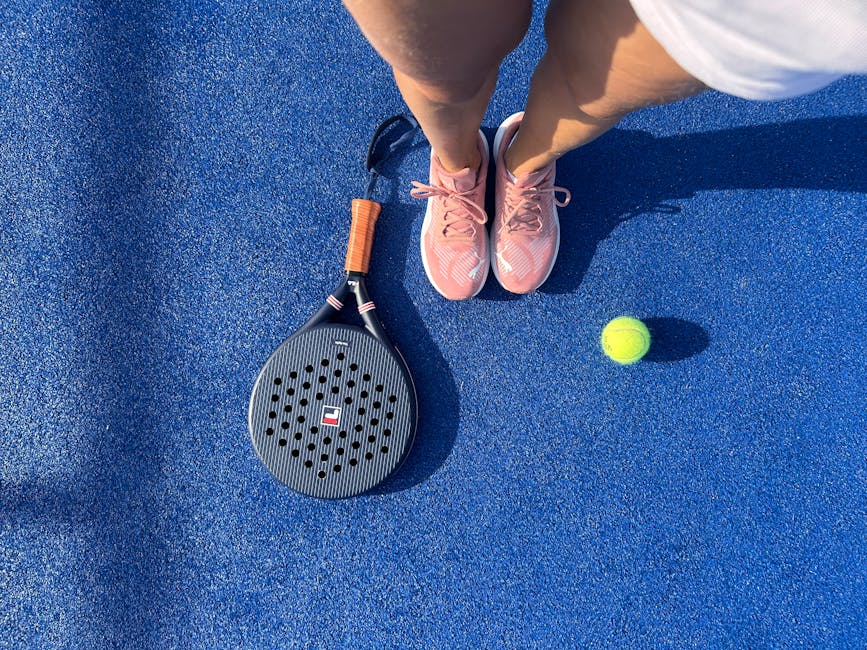
The £40–£100 tier is where almost every new UK padel player buys their first racket - and where the budget-tier traps live. Top-of-tier 2026 frames from Bullpadel, Adidas, Head, Babolat, Wilson and Decathlon's Kuikma line all sit under £100 if you shop carefully, and any of them will outlast a season of weekly play. The wrong sub-£100 frame, by contrast, is the single most common cause of beginner elbow pain on UK courts.
What does under £100 actually buy you in 2026?
UK independent buyer's guides converge on the same broad tiers for 2026: ~£40–£80 for beginner rackets, £100–£180 for intermediates, and £180–£300 for advanced players. The sub-£100 tier sits at the top end of "beginner" and just below "intermediate" - close enough to mainstream pro lines that the construction shortcuts are minor, but cheap enough to be replaced after a season without flinching.
Three things change as you move up the price ladder above £100: carbon-fibre content (12K and 18K layups push £150+), pro endorsements (signature frames carry a £40–£80 premium for the same materials), and tuned weight systems like Adidas's Weight & Balance kit or NOX's interchangeable counterweights. None of those features matter on session three; what does matter is the shape, weight, balance, and core material - and you can get those right inside the budget tier.
Which four specs matter on a budget padel racket?
Shape: round or hybrid (avoid diamond at this tier)
Round-shape rackets place the sweet spot in the centre of the head with a forgiveness zone large enough to absorb the off-centre hits beginners make on every other shot. Hybrid (between teardrop and diamond) suits players with some technique already. Diamond shape concentrates the sweet spot near the top of the head - explosive on a clean smash, punishing on everything else. Below £100, the diamond frames available are almost always stiff and cause elbow pain.
Weight: 355–375 g for adults, lighter for juniors
Standard adult range for a reason - the frame has enough mass to drive through a wall-bounce return but not so much that swing fatigue sets in over a 90-minute session. Sub-340 g rackets are scarce at this price; if you're picking one up because of wrist strain, double-overgrip your existing racket before downgrading.
Balance: low or medium (25.0–26.5 cm from butt cap)
Low and medium balances put the swing weight nearer your hand - more control, faster recovery between shots. High balance (27+ cm) is head-heavy and only suits players who can place the diamond sweet spot under match pressure. At the £100 tier, sticking to low/medium balance is the surest way to avoid the racket choosing your shots for you.
Core: soft EVA or polyethylene foam (not stiff carbon)
The core absorbs vibration before it reaches your arm. Soft EVA and polyethylene foam cores dampen the impact of repeated wall-bounces and bandejas; stiff carbon cores transmit it. Royal Padel's polyethylene foam frames have a near-cult following on r/padel for exactly this reason - players with early tennis-elbow symptoms reliably report relief after switching to a softer core.
Which eight sub-£100 padel rackets do we pick?
The list below is built from the UK independent buyer's guides at Padel Mad, Live For Padel and Everything Padel, cross-checked against current UK retailer pricing at Padel Market, Padel Shack, Tennis-Point UK, Central Sports and PDH Sports. Prices below were correct in May 2026 and move ±£10–£20 across the year - always check the live retailer page before buying.
- 1. Bullpadel Adam
- ~£70 · round, 360–375 g, soft EVA, medium balance - the textbook safe first racket
- 2. Adidas Match Light 3.4
- ~£90 · hybrid, 350–365 g, EVA Soft Performance core - light enough for tennis converters
- 3. Head Delta Pro
- ~£95 · hybrid, 365–375 g, Power Frame construction - control-leaning intermediate hand-me-down
- 4. Decathlon Kuikma PR 990 Soft
- ~£60 · round, 360–370 g, polyethylene foam core - best value-per-£ on the list
- 5. Wilson Bela Lite
- ~£75 · round, 350–365 g, X4 EVA core - lighter Bela-line option from Wilson
- 6. Babolat Reflex Air
- ~£90 · teardrop, 355–365 g - power-leaning pick for taller players
- 7. Bullpadel Hack 03 Junior
- ~£55 · round, 330–345 g - best sub-£100 junior frame for 10–14 year olds
- 8. Head Speed Motion (entry tier)
- ~£95 · hybrid, 365–375 g - graphene/EVA combo, sits at the top of the budget tier
Which are the top three sub-£100 rackets?
Bullpadel Adam is the racket UK coaches hand to beginners most often. It's a round-shape, soft-EVA frame in the 360–375 g range with medium balance - meaning the sweet spot is wide, the wall-bounce returns are forgiving, and there's no high-balance head-weight to drag your timing late. Bullpadel's lower-tier construction omits the X-Tend Carbon 12K skin found on the Vertex pro line, but at session-three you genuinely will not notice. It's stocked at virtually every UK padel retailer.
Adidas Match Light 3.4 is the better pick if you've come from tennis or squash and want a faster racket-head speed. The hybrid shape gives you a touch more power than the Adam on overheads without the diamond's penalty for mishits, and the EVA Soft Performance core takes the sting out of a wall-bounced bandeja. The 350–365 g weight band suits players under 75 kg - heavier players will find the racket too lively against pace.
Head Delta Pro is the option to grow into. The construction is closer to Head's intermediate Speed line than to its true budget tier - same Power Frame stiffness profile, lighter materials, slightly smaller sweet spot. If you're certain you're going to commit to padel for at least two seasons and you don't want to re-buy at the intermediate tier in six months, the Delta Pro is the rare £100 racket that still feels right at club-level matches a year in.
For the specific brief of buying a beginner's racket - not a budget version of a pro racket - our best padel racket for beginners UK 2026 covers the under-£80 tier in more depth, and the diamond vs round vs teardrop shape guide explains why the round/hybrid recommendation matters so much at this price.
What budget-tier traps should you avoid?
Two patterns repeatedly trip up first-time UK buyers in this tier. Watch for them on Amazon and the discount sports retailers - both produce more elbow-pain stories than any other category of padel kit.
Sub-£40 "professional" rackets with diamond shapes
Almost always stiff carbon-foam frames designed to look like a Vertex or Metalbone at a tenth of the price. The diamond shape demands clean technique that beginners do not have yet; the stiff core transmits every off-centre hit straight into the elbow. The popular community fix on r/padel is double-overgripping to add damping, but that's a workaround - at this price the right move is a sub-£80 round-shape soft-EVA frame instead.
Heavy starter rackets sold to under-developed swings
A 375 g+ diamond racket can hit explosively if you can swing it fast enough to time the sweet spot. Most new players cannot, and the racket then chooses your shots for you - late on overheads, late on bandejas, late on viboras. The community shorthand is RHS (racket-head speed): mass × acceleration matters more than mass alone. Pick a 360–370 g racket you can actually accelerate, not the heaviest one in budget.
Where do you buy and what should you expect?
UK retailers stocking the sub-£100 lineup competitively in 2026 include Padel Market, Padel Shack, Tennis-Point UK, Central Sports, Everything Padel and PDH Sports; Decathlon stocks its own Kuikma line through its UK stores and website. The independent retailers (Padel Market, Padel Shack, Central Sports) frequently run 10–20% off the marked price on end-of-line frames; Decathlon and the larger chains discount less but stock more consistently.
Most retailers will throw in a free overgrip and a protector tape on rackets above £80, and several offer a 30-day demo or returns policy that includes used rackets. Worth asking at the point of sale - buying the wrong frame and being stuck with it is the second-most common beginner complaint after elbow pain.