Padel Ball Types Compared UK 2026
Padel ball types compared UK 2026: Head, Bullpadel, Wilson, Babolat, Tecnifibre. Pressure, durability, official FIP-approved balls vs practice options.
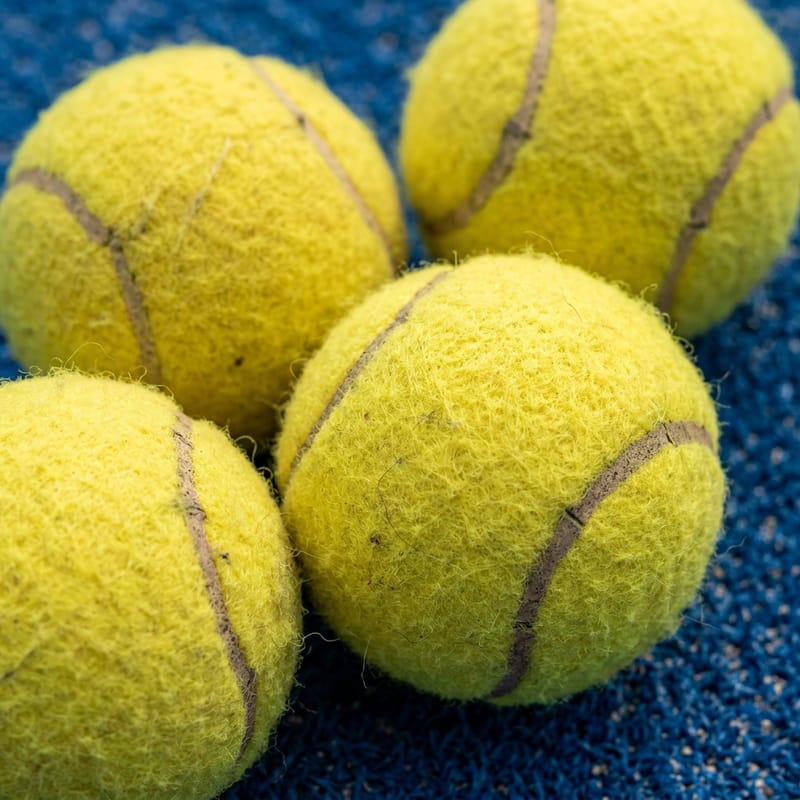
Padel balls look like tennis balls but they're not - slightly smaller, slightly lighter, and pressurised differently for the wall-bound game. UK club players who casually swap in tennis balls notice the difference within a few points. This guide covers what's worth buying for matches, what works for practice, and where to source UK-availability options in 2026.
What's the difference between padel and tennis balls?
Three physical differences matter:
- Size: padel balls are 6.35-6.77 cm in diameter (tennis 6.54-6.86 cm). Slightly smaller; not always noticeable visually.
- Pressure: padel balls are pressurised lower (10-12 psi internal) than tennis balls (14-16 psi). The lower pressure gives less bounce - critical for wall play, where high-bouncing balls would clear the back wall.
- Weight: padel balls are 56-59.4 grams; tennis balls are 56-59.4 grams (the regulated mass is identical, but padel balls feel slightly different due to the different felt and pressure).
Using tennis balls on a padel court produces a higher bounce, faster ball, and a different feel through the paddle - not catastrophic but enough that club players notice immediately. Don't substitute.
What's the best padel ball for UK tournament play?
For tournament-standard play, three balls cover most UK competitive use in 2026:
- Head Padel Pro S: The official Premier Padel ball (and previously the World Padel Tour ball). Consistent bounce, balanced pace, and tightly regulated quality control. £6-£8 per tube of 3 from UK retailers.
- Bullpadel Master Pro: Used at FIP and many European tournaments. Similar feel to the Head Padel Pro S; some players find it slightly heavier-bounced. £5-£7 per tube.
- Wilson X3: Used in UK club tournaments more often than international competition. Lasts slightly longer than the Head/Bullpadel; pace is a notch lower. £4-£6 per tube.
All three are FIP-approved. The Head Padel Pro S is the safer choice if you're playing tournaments and want to match what you'll see at events; for club play, any of the three is fine and price tends to be the deciding factor.
What about practice balls?
Two practice ball categories cost meaningfully less than tournament balls:
- Lower-pressure tournament-style balls: Babolat Speed, Tecnifibre Court, and Adidas Padel Pro all sit one tier below the Head/Bullpadel standard. Most match-tournament balls go flat in 3-5 sessions; these go flat in 6-10. Useful for non-match drilling. £3-£5 per tube.
- Pressureless or low-pressure practice balls: Bullpadel Pressureless and various generic-brand pressureless tubes. Last for months but feel materially different - lower bounce, less spin. Use only for technique drills, never for live point play.
The cost difference is real - a club player who uses tournament balls for everything spends £200-£300 on balls per year. The same player using tournament balls for matches and a practice tier for drilling spends £80-£120. Worth the swap once your technique is consistent enough that you can use lower-spec balls without bad habits creeping in.
How long do padel balls actually last?
Tournament-tier padel balls go flat faster than tennis balls because the lower starting pressure has less air to lose. Typical lifespans:
- Tournament ball, used in a 60-minute competitive match: 1 match per tube. Open it; play with it; bin it.
- Tournament ball, recreational club play: 2-4 hours of play, then bounce drops noticeably and they get put aside for warm-up only.
- Lower-tier practice ball: 4-8 hours of drilling.
- Pressureless practice ball: Months of drilling; the shape eventually breaks down before the bounce.
The pop-the-tube-fresh-for-each-match approach is genuinely how UK tournament players use them - the ball quality variation between fresh and 2-hour-used tubes is meaningful enough that players who care about match outcomes don't reuse.
Where to buy padel balls in the UK
UK padel ball availability is good in 2026 but still mostly through padel specialists rather than mainstream sports retailers:
- Pure Racket Sport: Full Head/Bullpadel/Wilson stock; multipack discounts on Head Padel Pro S (24-tube cases save 15-20% vs single-tube prices).
- PadelGB: Strong on Bullpadel and Nox; sometimes thinner on Head stock.
- Amazon UK: Variable. Head and Wilson stock consistently; Bullpadel intermittent. Pricing competitive on single tubes.
- Decathlon UK: Their own-brand Artengo balls (~£3 per tube of 3) are a reasonable practice option but not match-quality.
- Club shops: Most UK padel clubs sell tubes at the front desk for £6-£10. Convenient but more expensive than online.
For regular play, buy a 24-tube case from Pure Racket Sport or similar. Cases are sealed and last 6-12 months stored in a cool dry place; tubes start to lose pressure slightly even before opening, but not fast enough to worry about within a year.
Does altitude affect padel balls in the UK?
Yes, marginally. UK altitudes are low enough that altitude-specific balls aren't needed (unlike Madrid or Mexico City where high-altitude variants exist). The standard sea-level pressure balls work everywhere in the UK without modification.
One UK-specific note: indoor halls vary in humidity and temperature. Cold halls (below 12°C) reduce internal ball pressure slightly - balls feel less lively. Hot summer outdoor play in the south increases internal pressure - balls feel slightly bouncier and quicker. Both are small effects; neither requires changing the ball you choose.
Frequently asked questions
Can I use tennis balls on a padel court?
Why do padel balls go flat so fast?
What's the cheapest decent padel ball in the UK?
Are pressureless padel balls any good?
How many tubes do I need per session?
What ball do UK pro tournaments use?
The bottom line
For UK padel players in 2026, the practical buying strategy is: a 24-tube case of Head Padel Pro S (or Wilson X3 for cheaper) for matches, and a separate stock of lower-tier or pressureless balls for drilling. That setup keeps tournament-tier ball spend down while ensuring match quality.
Don't substitute tennis balls; don't reuse tournament balls beyond their natural lifespan. Both are common UK club shortcuts that produce slightly worse play across the season. The £80-£120 annual ball spend for a regular club player is one of the lowest cost-per-hour ratios in racket sports - worth getting right. For current picks by tier, see our best padel balls UK guide.
For more on padel equipment generally, see our grip and handle wrap guide and overgrip guide. Padel's official regulations are governed by the International Padel Federation (FIP).