Padel for Beginners UK 2026: The Complete Guide
Everything UK beginners need to start playing padel in 2026 - rules, kit, costs, etiquette, and how the LTA pathway works.
Padel for beginners in the UK has never been easier to start. The Lawn Tennis Association reported 860,000 British players by the end of 2025, more than double the 400,000 figure for 2024, and the country now has 1,553 courts spread across 559 venues. This guide walks through the rules, the kit you actually need, what your first session will cost, the court etiquette to learn before you turn up, and how the LTA pathway works once you want to take the sport more seriously.
What is padel, and how does it differ from tennis?
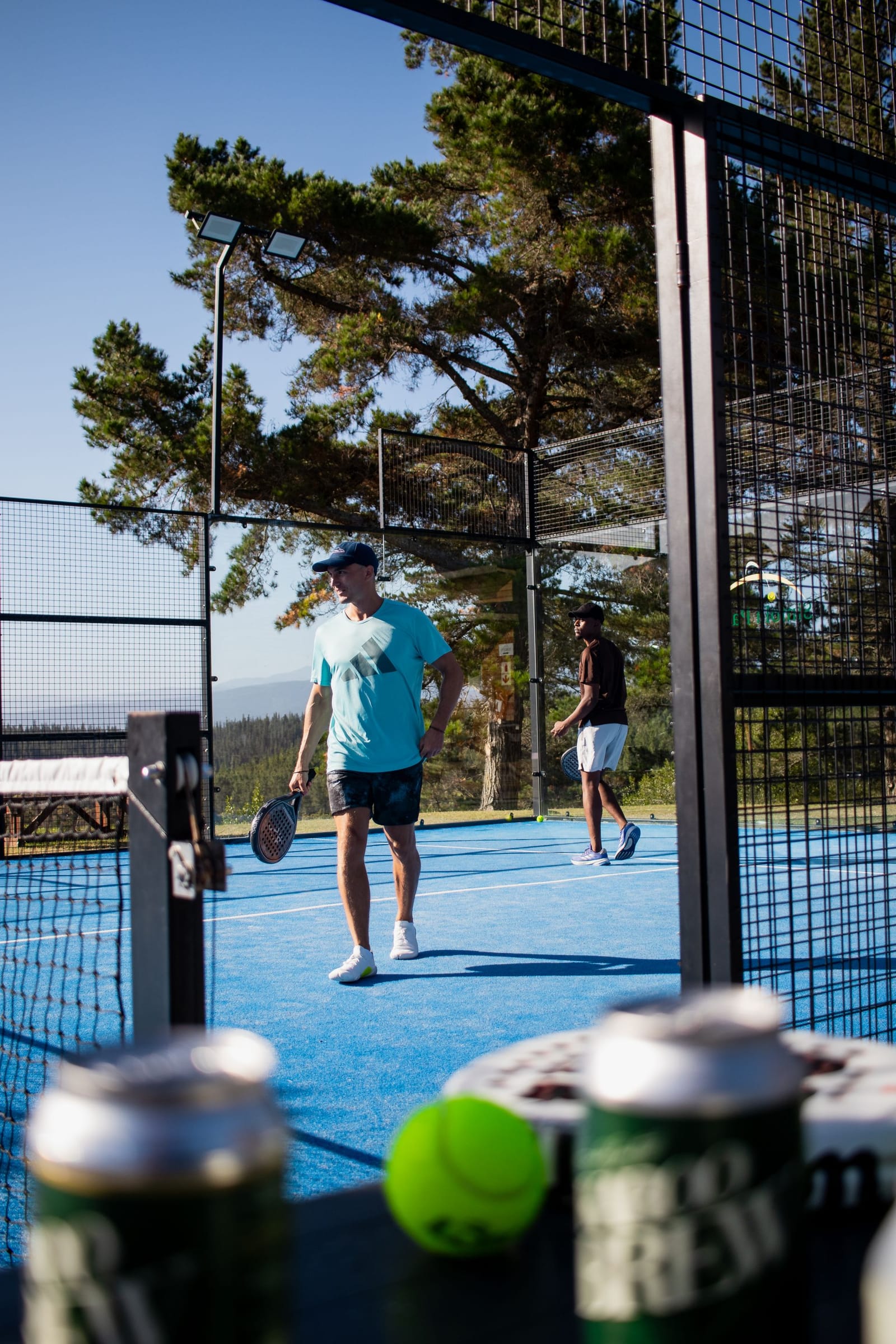
Padel is a doubles racket sport played on an enclosed court roughly 25% smaller than a tennis court, with glass walls and metal mesh fencing that are part of the playing surface. The ball, the scoring system, and the basic geometry are tennis-adjacent, which is why tennis players pick the game up quickly - but the game itself rewards a different style: positioning, walls, and shot variety beat raw power most of the time.
The four differences that matter most for a first session are the size of the court, the use of the walls, the underarm serve, and the racket itself. The court fits four players comfortably, so doubles is the only format you will play. The ball can rebound off the back and side walls after bouncing on the floor - knowing when to let the ball reach the wall and when to take it early is one of the first instincts you will develop. Serves are always underarm, into the diagonal service box, and the ball must bounce once behind the service line before you strike it. The racket is shorter than a tennis racket, has no strings, and is built around a perforated EVA-foam core that gives the bat a softer, more controlled response.
What are the padel rules and scoring, in plain English?
Padel scoring follows tennis exactly: 15, 30, 40, deuce, advantage, game. A set is won by the first team to reach six games with a two-game lead, and most matches are best of three. If a game reaches deuce, the team winning the next two consecutive points takes it.
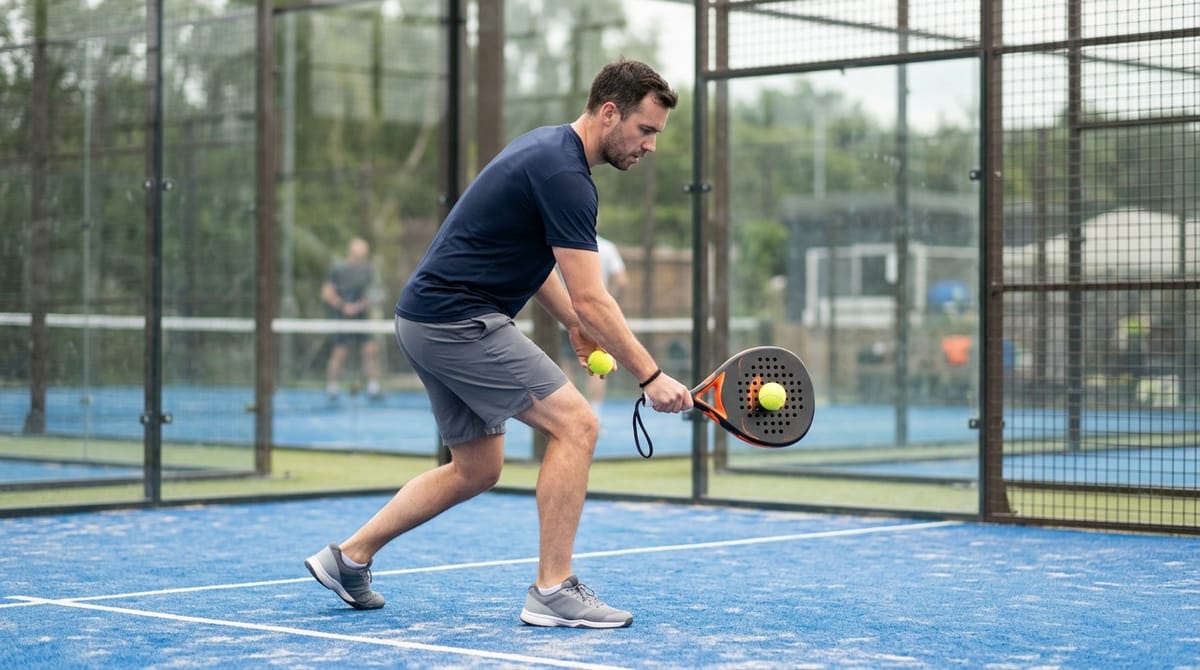
The serve has its own short list of rules that every beginner needs to internalise. The server stands behind the service line and bounces the ball once on the floor before striking it underarm - the strike must be at or below waist height, and the ball must land in the diagonal service box on the opponents' side without touching the side wall first. Two attempts are allowed per point: a serve that touches the net cord but lands in is a let, just like tennis, and you replay it.
During a rally, the basic rule is that the ball can only bounce once on each side. After that bounce, the ball can be played off any wall, but it must clear the net on the way back and land within the playing area before any wall contact on your opponents' side. If a ball is heading out of the court - over the wall through one of the door openings, for example - players are allowed to leave the court through the doors and play the ball back, provided it has not yet bounced twice. It is one of the moments where padel looks unlike anything else in racket sport.
Can I hit the ball off my own back wall?
Does the serve have to clear the net?
What happens if the ball hits my body?
What should you expect in your first padel session?
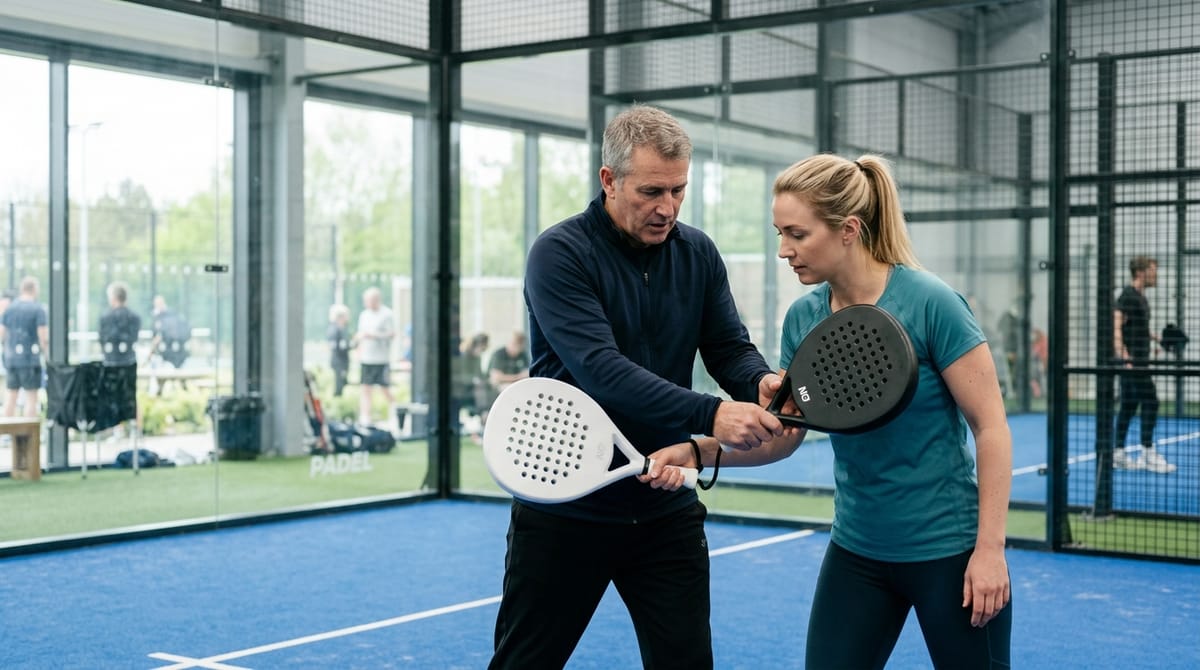
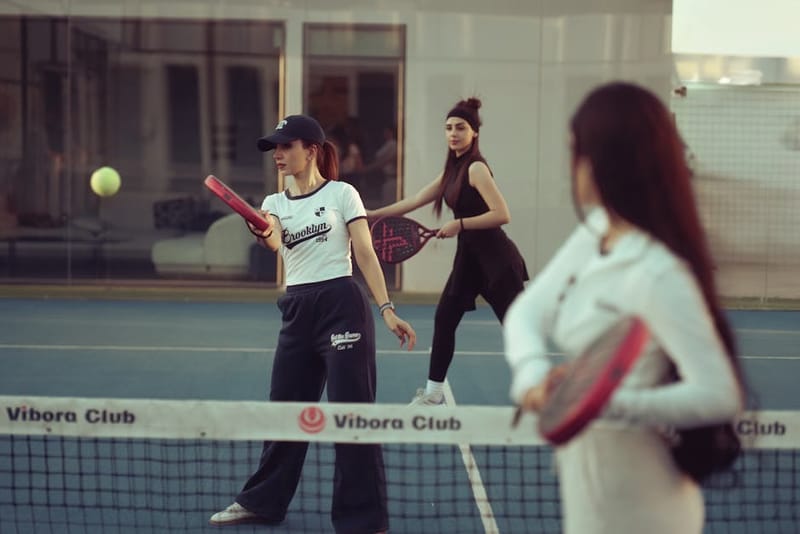
Most UK clubs run a structured introduction for first-timers. The format varies, but a typical first session lasts an hour, includes equipment hire, and pairs you with a coach or experienced player who walks you through the serve, the basic forehand and backhand, and how the walls work. Many clubs price the intro session at around £5 to remove the cost barrier - the full price comes later, once you know whether you want to come back.
If you book a regular court rather than an introductory class, expect to share with three other players. Court hire averages £20 to £40 per court per hour across the UK, with London and prime time at the top of that range. Split four ways, that puts an off-peak game at £5-£7.50 a head - comparable to a casual game of squash and substantially cheaper than most indoor tennis. Booking is overwhelmingly through the Playtomic app in 2026, with MATCHi and individual club booking pages covering the remainder.
You do not need to bring anything to your first session. Almost every UK club offers free or £3-£5 racket hire, balls are included with the court fee, and ordinary trainers are fine on the artificial-turf surface for a first try. Once you are playing regularly, dedicated court shoes are worth it - our best padel shoes UK guide picks by player type. The only kit-related advice that matters before your first game is to wear shorts you can move in and to clip any jewellery - there is a lot of arm-swing close to your partner, and a watch face on the wrong side of a backhand is bad for everyone.
What padel kit do you actually need?
For your first three or four sessions, hired equipment is genuinely fine. The interesting question is what to buy first once you decide to commit, and the answer for most beginners is shoes, then a racket, then balls. When you do reach the ball-buying stage, our guide to the best padel balls in the UK covers match and practice options by budget.
Court shoes
Padel-specific shoes have a herringbone or omni sole that grips the artificial turf without tearing it. Tennis shoes work in a pinch; running shoes will slip. Expect to spend £60-£120 for a pair that will last a season of regular play.
A round-headed racket
Round bats have a larger, more central sweet spot and a softer feel - they are the easiest shape to learn on. Save teardrop and diamond shapes for later when you have a clearer sense of whether you favour control or power. £80-£150 covers a sound entry-level model from Bullpadel, Adidas, Head, or Nox.
Padel balls
Padel balls look like tennis balls but are pressurised slightly differently. A tube of three from Wilson, Bullpadel, or Head costs around £6 and lasts a beginner several sessions.
Comfortable sportswear
Lightweight, breathable layers; nothing technical needed. Plenty of clubs offer pay-and-play formats where you turn up straight from work in a T-shirt.
What you do not need at this stage: a second racket, a wrist strap (most rackets ship with one), a padel-specific bag, vibration dampeners, or any of the smartwatch and grip-pressure gadgets that tend to fill the first page of search results. None of that affects how quickly a beginner improves.
What does playing padel actually cost in the UK?
Costs vary by region and by club, but the typical numbers settle into a clear pattern after the first few enquiries:
Typical UK padel costs in 2026
- Off-peak court hire (per hour)
- £20-£28
- Peak court hire (per hour)
- £32-£44
- Per player (split four ways)
- £5-£11
- Racket hire
- Free to £5 per session
- Introductory group session
- £5 typical, equipment included
- Private 1:1 coaching
- £25-£45 per hour
- Group coaching (4 players)
- £10-£18 per player per hour
- Pay-and-play casual format
- £8-£15 per player per session
London prices sit at the top of these ranges across the board. Several London clubs charge £40+ per court at peak time and £45 for private coaching, so a Saturday morning game with three friends and an hour of one-to-one tuition is realistically a £25-a-head outing. In the Midlands, the North, and across Scotland and Wales, the same game is typically £15-£18 a head - one of the reasons participation is growing fastest outside the South East.
What court etiquette should you learn before turning up?
Padel is a sociable sport, and the unwritten rules matter as much as the written ones. Five things will mark you out as a thoughtful first-timer rather than someone everyone hopes is on the other team next week.
Be on court at the start of your slot
An hour of court time means an hour of playing time. Warming up off-court before your slot is normal and appreciated by whoever is waiting.
Call the ball, not the lines
If a ball clips your body or your bat without you returning it, call the point against yourself. Trying to disguise a body-clip is the fastest way to lose a regular doubles partner.
Keep the warm-up co-operative
The first five minutes of a casual game is shared hitting at moderate pace - not a chance to put winners past players who haven't loosened their shoulders. Save the smashes for the match.
Communicate with your partner
Calling "mine" or "yours" on every shot near the centre line prevents mid-court collisions and is universal across UK clubs. Padel is a doubles game first and a racket sport second.
Wait for the point to finish before crossing behind
Walking through someone else's court mid-rally is the single most common etiquette breach in busy clubs. Wait for the point to end, then cross.
What does the LTA padel pathway look like after your first lesson?
The Lawn Tennis Association has been the national governing body for padel in Great Britain since 2019, and the official pathway for adults is now reasonably well-developed. For most beginners, the natural progression is: introductory session → drop-in or pay-and-play sessions → club membership → social leagues → rated events.
Pay-and-play formats and "americano" round-robin sessions are the easiest entry into regular play once you have the basics. Clubs run them most evenings and weekend mornings, players rotate partners every few games, and the fees are usually £8-£15 per session including balls. The format is genuinely beginner-friendly because the rotation means you are never stuck with one partner for the whole evening if the matchups are uneven.
Once you are playing regularly, the LTA's competitive structure runs from local club box leagues through Grade 5 and Grade 4 events, into the LTA British Padel Tour Grade 2 events that form the main national circuit. The 2026 calendar includes 21 Grade 2 events and five FIP Tour events across England, Scotland and Wales - the first time international competition has been staged across all three nations in a single year. Premier Padel, the top-tier global tour, holds its first ever London event from 3 to 9 August 2026, which is the closest most British beginners will come to seeing the world's best players in person without a flight.
How do you find a partner and improve quickly?
The single biggest practical barrier to playing more padel as a beginner is finding three other beginners willing to play at the same time. Three approaches consistently work: club WhatsApp groups, the Playtomic in-app player matching, and pay-and-play sessions where the club pairs you with whoever turns up.
For improvement, the fastest gains come from drilling the basics: the underarm serve, the bandeja (the defensive overhead that protects the back of the court), and the wall return. A four-player group lesson works out at roughly the same hourly rate as a court hire on its own, and an hour of structured drilling early on will save months of bad habits. Beyond that, simply playing more - ideally with players slightly better than you - does most of the work. Padel is a pattern-recognition sport, and the patterns only become visible after several hundred rallies.
Three things new players ask next
Three questions come up again and again once the basics click - two from players arriving off a tennis court, one from anyone who has started taking the game seriously:
- String tension in padel - the short answer is that it does not exist. Padel rackets are solid and stringless, so the tension dial a tennis player is used to is replaced by core and face material.
- The mental side of padel - patience at the net and shot selection under pressure decide more amateur points than technique does.
- Padel holidays and camps - concentrated coaching in the UK and abroad, and what a week of it realistically does for your level.
Frequently asked questions
Do I need any racket-sport experience to start playing padel?
Is padel safe for older or less mobile players?
Can I play padel indoors during winter?
How many sessions before I feel competent?
Is there a UK ranking system?
Where should you play next?
UK padel infrastructure passed 1,500 courts at the end of 2025 and the LTA has invested over £7.5 million in court construction directly, with another £10.5 million leveraged from venues and operators. That means there is now a court within reasonable travel distance of most British towns, not just the South East. Our companion guide to where to play padel in the UK breaks down the major clubs region by region, including indoor and outdoor split, court count, and which clubs run beginner-friendly drop-in sessions.
Find a court near you
Browse our region-by-region guide to UK padel clubs - including which run beginner sessions and which take Playtomic bookings.
References
Court counts, player numbers, and 2026 competition calendar figures cited in this guide are taken from the LTA Padel official communications:
Keep learning: your beginner pathway
Everything else a new player needs, in the order most people need it.
Padel Rules Explained
Padel Scoring Explained
Your First Padel Session
Common Beginner Mistakes
How to Serve in Padel
Padel Etiquette
Find a Padel Partner
Best Beginner Rackets