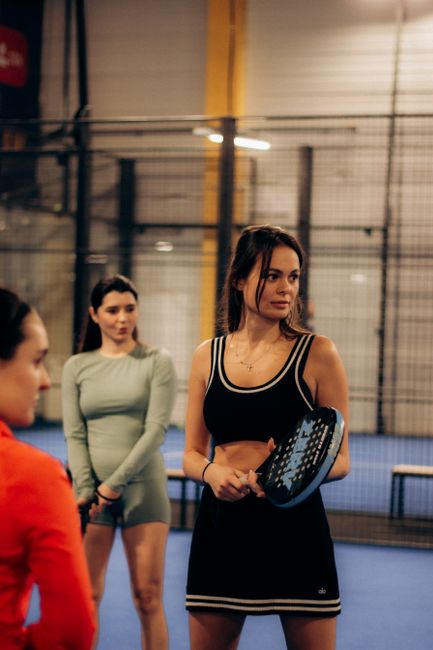
The Chiquita Shot in Padel UK 2026
The chiquita shot in padel explained: the soft, low ball that wins you the net, when to play it, how to hit it, where to aim and common mistakes.
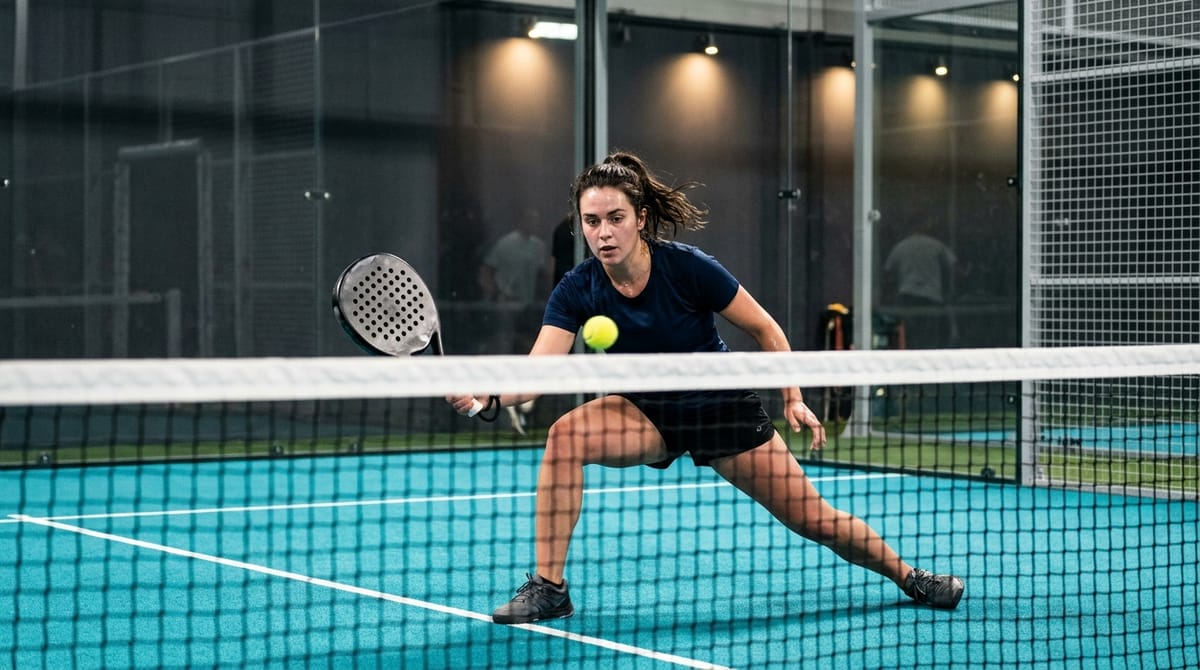
The chiquita is padel's great equaliser. Played from the weaker, defensive back position, it is the shot that turns defence into attack: a soft, dipping ball that drops at the net players' feet and forces them to lift it up, handing you the chance to move forward and seize the net.
What is a chiquita in padel?
The chiquita, Spanish for little one, is a soft, low ball played from the back of the court that passes just over the net and drops sharply at the feet of the opponents who hold the net. In padel (an enclosed-court racket sport where the net position is the key advantage), the pair at the back is on the defensive. The chiquita is the main tool for breaking that disadvantage: by forcing a low, awkward volley up, it gives the back pair time to advance and contest the net themselves.
When should you play a chiquita?
Play it when you are at the back, under control, and want to take the net rather than just defend. It is most effective when the net players are expecting a lob or a hard drive, because a soft ball at their feet catches them flat-footed. Avoid it when you are stretched or off balance, when a lob to reset is safer, and avoid it against players who volley low balls superbly. Think of the chiquita as a deliberate, patient choice to change the balance of the point, not a panic shot.
How do you hit a chiquita?
Use a continental grip and a short, smooth, controlled stroke with very little backswing. Meet the ball out in front and guide it rather than hit it, taking almost all the pace off so it barely clears the net and then dips. A touch of underspin from a gentle high-to-low path helps the ball stay low and stop quickly. The key is disguise and softness: the same preparation as a drive, but with the brakes on. Aim for the feet of the net player or the central gap between the pair, where a clean volley is hardest.
Where should you aim the chiquita?
Two targets work best. The first is directly at the feet of a net player, the hardest place to volley from because the racket has to come up from below. The second is the gap down the middle between the two opponents, which creates hesitation about who takes it and often produces a rushed, floated reply. Mixing the two keeps opponents guessing. Against a right-hander, the backhand side is often the more vulnerable foot to attack. Whatever the target, the moment you play the chiquita, move forward with your partner to capitalise on the weak reply it forces.
What are the most common chiquita mistakes?
The most common error is too much height or pace, which turns the chiquita into an easy, sitting volley that the net players punish. It must be low and soft. Second is failing to move forward after playing it: the whole point is to win the net, so if you stay back you waste the advantage you just created. Third is using it from a poor position, when a lob would be the safer reset; the chiquita rewards balance and control. Newer players should first build steady groundstrokes with our beginner's guide before relying on it.
How can you practise the chiquita?
Set up with a partner volleying at the net while you feed from the back, and play only chiquitas, focusing on a soft contact that lands at their feet. Use a target such as a cone or a towel just inside the service line to train the drop. Once the contact is reliable, add the forward movement: play the chiquita and immediately step in toward the net so the shot and the advance become a single habit. Finally, practise disguising it from your drive so opponents cannot read it early. Tie it together with the patterns in our doubles tactics guide.
Frequently asked questions
What does chiquita mean in padel?
What is the point of a chiquita if it does not win the point?
Where should you aim a chiquita?
Is the chiquita a difficult shot to learn?
Padel Court Positioning Fundamentals UK 2026
Padel Doubles Tactics and Positioning UK 2026
The Padel Volley: Technique and Tips (2026)