Padel Court Surfaces Compared UK 2026: Which Plays Best
Padel court surface types compared UK 2026 - monofilament, fibrillated, dual-spec turf, panoramic glass. How each plays + which UK clubs use what.
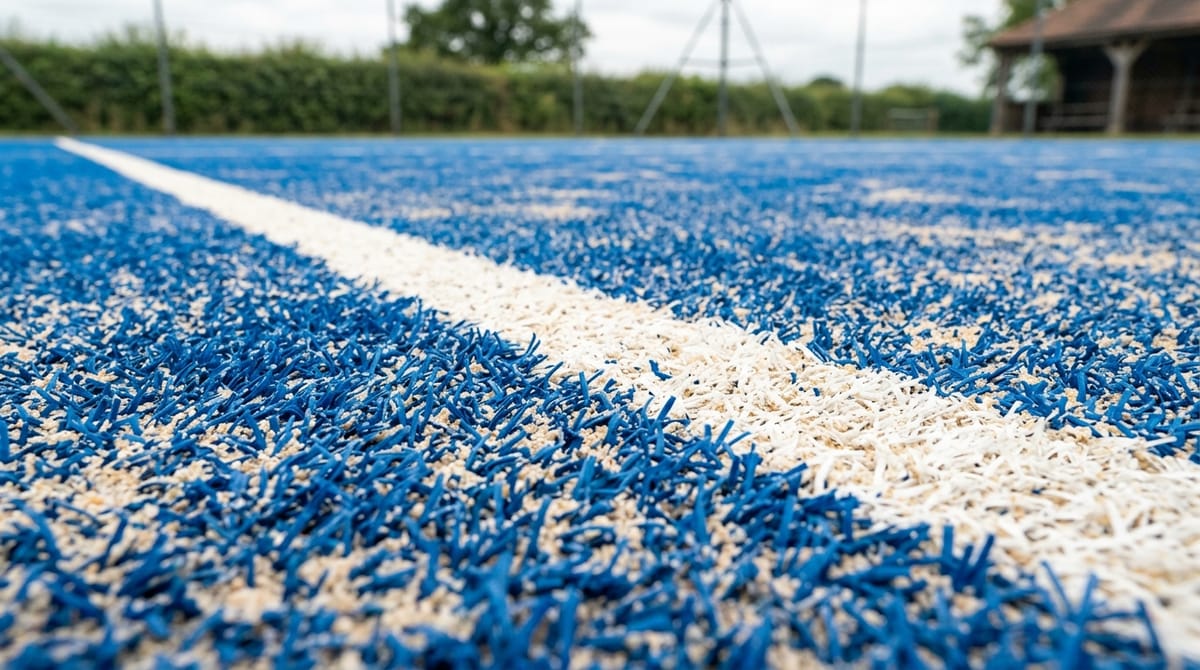
If you've played padel at two different UK clubs and noticed the ball behaves differently, you weren't imagining it. Padel court surface type meaningfully affects bounce, ball roll, foot grip, and how the glass-wall rebound plays out. It's also one of the more confusing parts of the sport for new UK players - there's almost no standardisation in how clubs market the surface, and the technical terminology is dense. Background on padel's competitive rules and pro tour structure is at the Wikipedia padel page.
This guide breaks down the four main surface specs you'll encounter at UK padel clubs in 2026, how each plays, and which UK operators use what.
What are the main padel court surface types?
Sand-filled monofilament turf (WPT standard)
Fibrillated synthetic turf
Dual-spec hybrid turf
Panoramic glass court frame
How do these surfaces actually play?
The shot-by-shot differences between the surface types: Surface type also changes what your soles need to do - our best padel shoes UK guide matches tread patterns to court surfaces.
- Drives: Monofilament gives the most ball pace - the ball skids off the turf with little energy loss. Fibrillated has 5-8% more grip, slowing the ball and dampening drives by a noticeable margin.
- Dinks at the net: Fibrillated wins on control - the slightly slower surface gives more dwell time on each contact. Monofilament rewards precise net play but punishes off-touch shots.
- Lobs and bandejas: Monofilament's consistent bounce makes lobs more predictable to play. Fibrillated lobs can vary by ~10cm in bounce height depending on infill condition.
- Glass rebounds: Roughly similar across turf types but materially different across glass frames. Panoramic glass (single 10-12mm pane) rebounds straighter and harder than multi-pane glass. WPT players notice this within the first warm-up.
- Foot grip and movement: Fibrillated has slightly higher friction underfoot - good for hard slides and stops, but slightly more wear on padel shoes. Monofilament is more forgiving on shoes and faster on lateral movement.
- Outdoor weather sensitivity: Monofilament holds up better in UK rain - water drains off faster and ball-skid stays more consistent. Fibrillated absorbs moisture in the fibres and slows even more in wet conditions.
Which UK clubs use which surfaces?
A rough map of UK padel operators by surface type (based on operator disclosures and player reports through mid-2026):
- Monofilament (WPT spec): Pure Padel (all UK sites), Carbon Padel Manchester, Ignite Padel Speke, Project Padel Newcastle, True Padel Durham. Premium clubs and serious tournament venues default to this spec.
- Fibrillated: Powerleague conversion sites (mixed quality - varies by location), Decathlon courts (basic spec for entry-tier play), council leisure-centre converted courts. Cheaper to install and replace.
- Dual-spec hybrid: Newer 2026 builds - The Padel Club Riverside Liverpool (opening early 2026), planned Padel FC Wavertree, several upcoming Pure Padel sites. The hybrid is gaining ground as the mid-premium default.
- Panoramic glass frame: Almost universal at premium clubs (Pure Padel, Carbon Padel, Ignite Speke). Multi-pane frame is more common at older Powerleague and council conversion sites. The difference is noticeable on hard-hit defensive lobs - panoramic rebounds straighter.
For a city-by-city operator map see our Where to Play Padel in the UK overview.
How long does each surface last?
Typical UK club operator replacement cycles:
- Monofilament (premium): 5-8 years before resurfacing. Sand infill needs top-up every 12-18 months. UV-stable formulations last longer outdoors.
- Fibrillated (budget): 3-5 years. Fibres split and lose grip earlier than monofilament. More cost per court-hour over the life cycle despite cheaper install.
- Dual-spec hybrid: 5-7 years projected (newer, less data). Mid-cycle infill top-up similar to monofilament.
- Glass panels: 10-15 years on tempered glass; failure is by impact damage (rare) rather than wear.
For club owners considering install costs see our padel court construction cost guide.
Does the surface affect what padel racket I should buy?
Marginally, but not enough to change your buying decision. The surface differences are smaller than the racket differences:
- On monofilament (fast surface): Slightly less power needed; control paddles work well. The Babolat Air Veron and Nox AT10 Genius shine here.
- On fibrillated (slower surface): More power useful to drive the ball through the surface. Bullpadel Vertex 05 and Head Delta Pro earn their power tier here.
In practice, most UK players use the same racket across both surface types and adapt their swing. See our how to choose a padel racket guide for the broader racket decision.
How do I tell which surface a court has when I arrive?
Look at the fibre length and shine
Monofilament fibres are typically 12-15mm long and have a slight sheen. Fibrillated fibres look more like split ribbons, are 10-13mm long, and look more matte.
Drop a ball from chest height
Monofilament gives a higher, more controlled bounce. Fibrillated dampens the bounce slightly and the ball sometimes wobbles on landing. Drop-test result tells you the surface type within 30 seconds.
Check the infill colour and depth
Monofilament uses bright white silica sand. Fibrillated often uses tan or buff coloured sand. Run a finger through the fibres - monofilament infill comes up to about 70% of the fibre length; fibrillated is closer to 60%.
Ask the club staff
Premium clubs are usually proud of their monofilament spec - staff will tell you on request. If staff don't know, it's almost certainly fibrillated.
Check the glass frame
Single-pane panoramic glass = premium spec (often paired with monofilament). Multi-pane glass with thick steel framing = older or budget court (often paired with fibrillated).
Frequently asked questions
What surface does the World Padel Tour use?
Are indoor and outdoor padel courts different surfaces?
How does padel surface compare to tennis clay?
Does the surface affect injury risk?
Can I play padel on an indoor tennis court?
Do amateur club players really notice surface differences?
The bottom line
UK padel court surfaces split four ways - monofilament (WPT-spec, premium clubs), fibrillated (cheaper, council and Powerleague), dual-spec hybrid (newer mid-tier), and panoramic glass framing underneath all of them. For most club players the practical takeaway is simple: premium club + monofilament + panoramic glass = the most consistent ball behaviour and the most predictable rallies. Council and budget conversion sites are still playable but expect more surface variation and less predictable lob bounces.
If you're choosing between two clubs in the same city at similar prices, surface quality is a sensible tiebreaker. If you're already settled on a club, surface differences won't change your enjoyment materially - and your racket choice matters more.
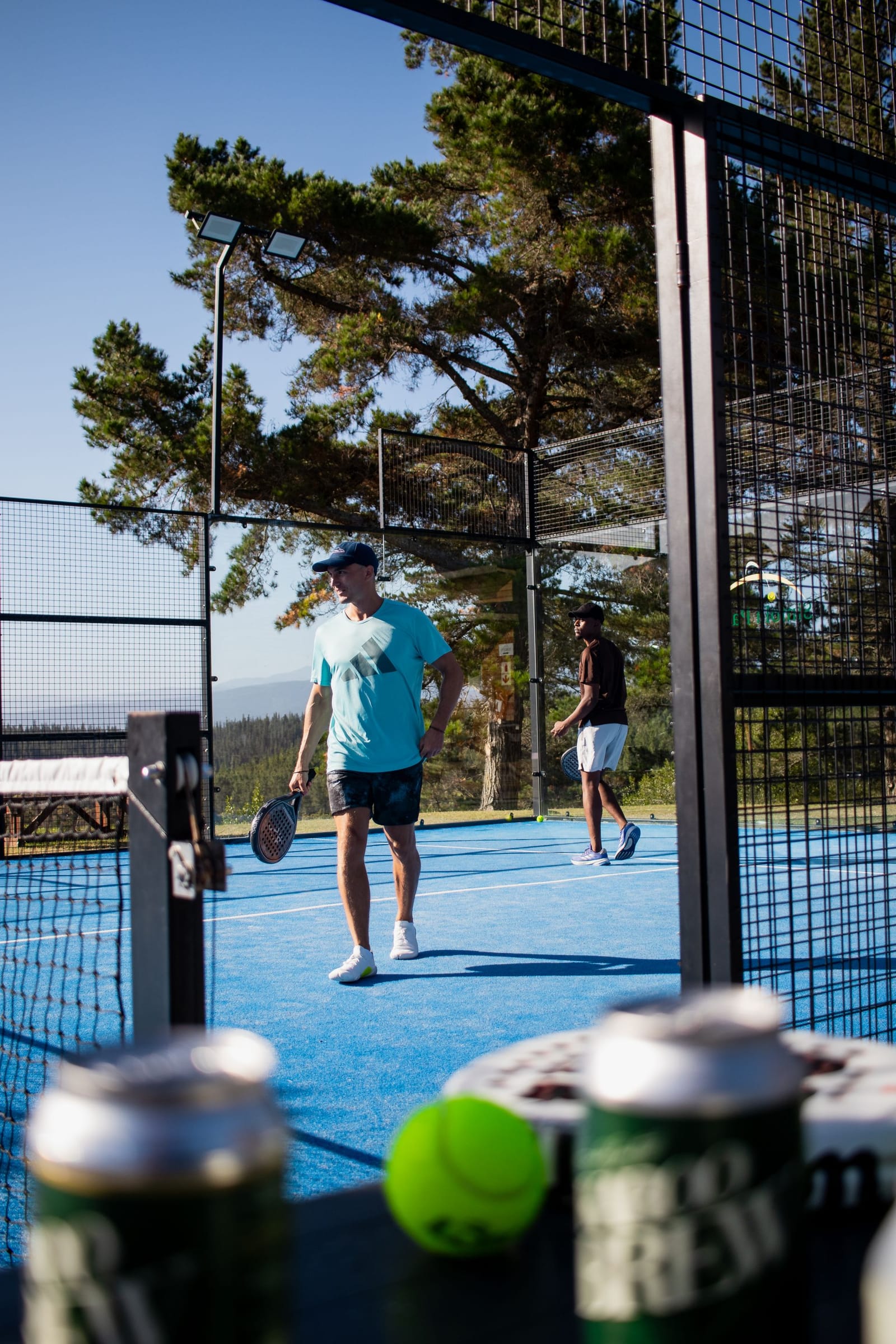
Where to Play Padel in the UK: 2026 Guide
Padel Court Cost UK: Build Budget + ROI Maths
How to Choose a Padel Racket UK 2026