Comparison · 5 picks
Best Padel Rackets UK 2026: A Buyer's Guide
Affiliate disclosure: we may earn a commission when you buy through links on this page, at no extra cost to you. Our verdicts are our own and are not influenced by compensation. As an Amazon Associate I earn from qualifying purchases.
This guide picks one racket per player profile rather than ranking twenty frames nobody can compare. Picks are drawn from cross-referenced manufacturer spec sheets, UK retailer listings and independent racket reviews rather than single first-person impressions; prices are UK retail prices at the time of writing. For the decision framework itself (shape, weight, balance, core), see how to choose a padel racket.
At a glance
All 5 options side by side.
| Bullpadel Hack 04 Hybrid 2026 | adidas Drive 2026 | 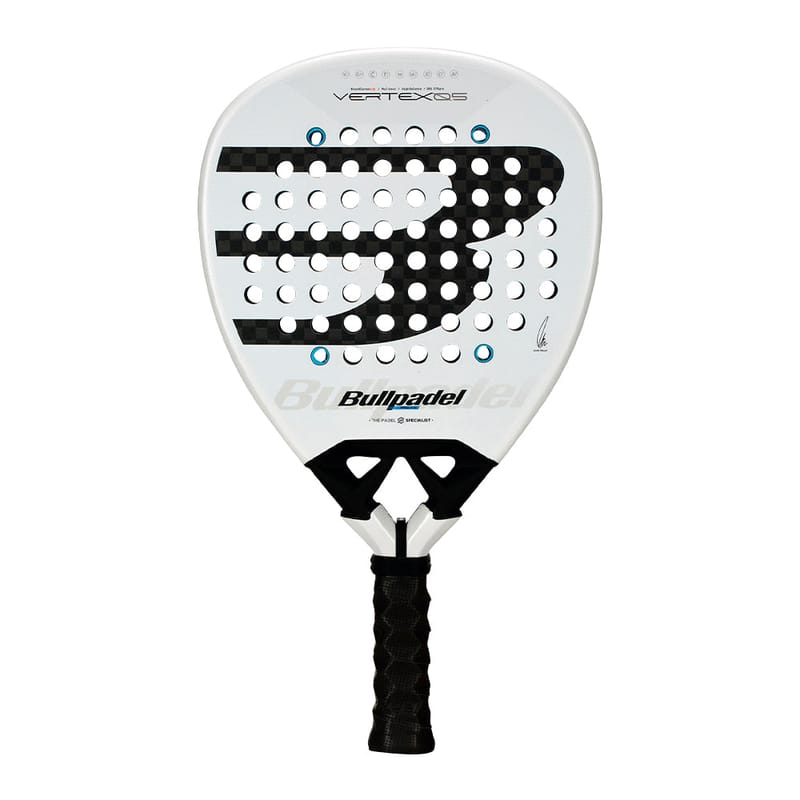 | 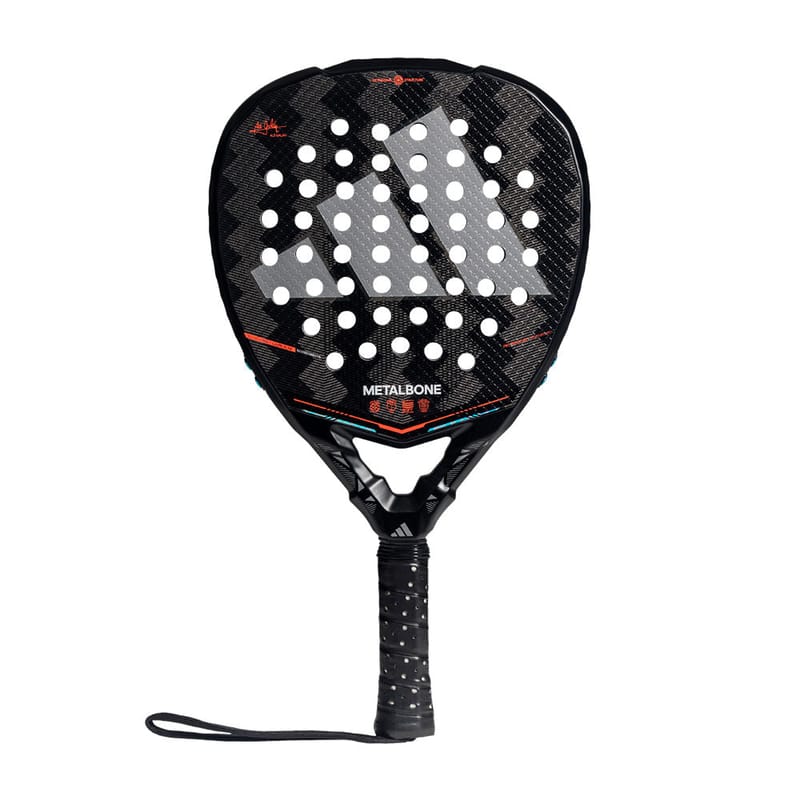 | 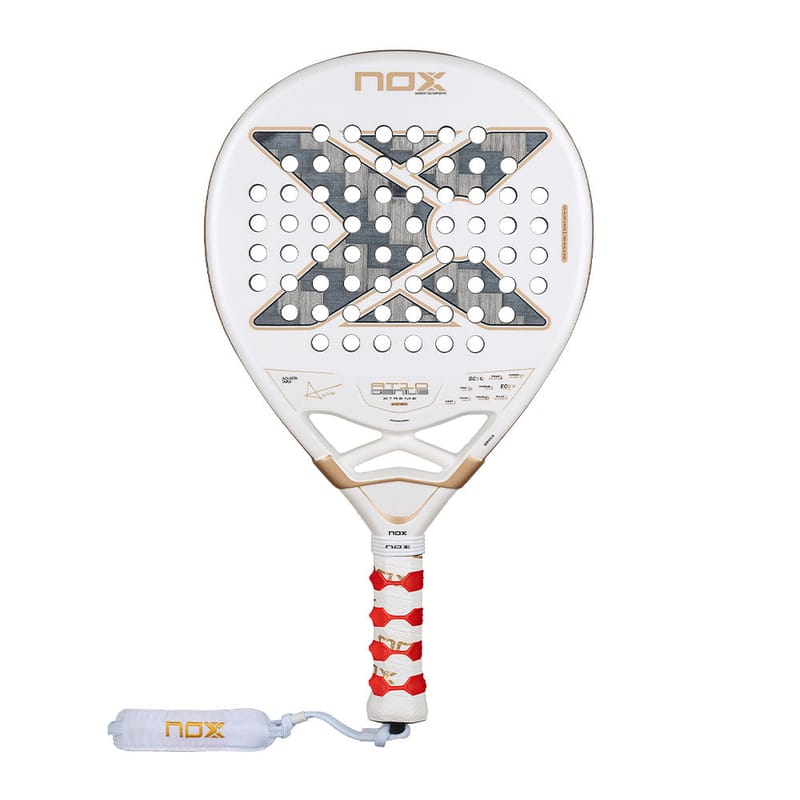 | |
|---|---|---|---|---|---|
| Price | £209.99 | £87.12 | £188.99 | £222.99 | - |
| Best for | professional-level build that stays accessible for committed intermediates, rewarding correct technique with real power without punishing every miss. | The most widely stocked beginner racket in the UK. | Tello's signature with the CurvAktiv plane angle and CustomWeight balance tuning. | a racket you earn, not start with. | power when you swing, control when you defend. |
| Review | Read review → | Read review → | Read review → | Read review → | Read review → |
| Buy |
The picks in detail
Bullpadel Hack 04 Hybrid 2026
Bottom line. Repeatedly named the most versatile serious UK pick for 2026. Hybrid shape at 365-375g: professional-level build that stays accessible for committed intermediates, rewarding correct technique with real power without punishing every miss.
Pros
- Hybrid shape balances power and forgiveness
- Pro-level build quality that lasts seasons
- Suits 30-200-session improvers and beyond
Cons
- Premium price for an improving player
- Too much racket for a first season
adidas Drive 2026
Bottom line. The most widely stocked beginner racket in the UK. Round shape, soft EVA core, glass-fibre face and a big, forgiving sweet spot that keeps mishits playable while you build technique. Light enough to swing all session without arm strain.
Pros
- Round shape and soft core flatter developing technique
- Widely stocked in the UK, usually under £90
- Low arm strain for new players
Cons
- You will outgrow it once you add pace
- Glass-fibre face generates little spin
Bullpadel Vertex 05 2026
Bottom line. Tello's signature with the CurvAktiv plane angle and CustomWeight balance tuning. The hybrid version keeps a medium balance for control from the baseline while the Top Spin finish bites on viboras and bandejas.
Pros
- Hybrid shape gives a more forgiving sweet spot than a true diamond at the same power tier
- 12K carbon face delivers consistent feedback on clean contact
- Air React Channel reduces drag, helping racket-head speed on chiquitas and lobs
- Ease Vibe vibration dampening cuts off-centre shock by up to 49%
Cons
- Premium price point for a signature-series racket
- Still demands settled technique - not a beginner or improving-intermediate frame
- 365–375g full weight asks something of the wrist over long sessions
Adidas Metalbone 2026
Bottom line. Alejandro Galan's signature. Diamond shape, head-heavy, with up to 11.2g of adjustable weight. Devastating on smashes and viboras and completely unforgiving of loose technique: a racket you earn, not start with.
Pros
- Pro-validated frame - three of the four Riyadh P1 2026 finalists (Galán, Coello, Chingotto) play stiff diamond rackets in this class
- Weight & Balance system lets you fine-tune up to 11.2 g and shift the balance point match-by-match without buying a new racket
- Carbon Aluminized 16K face plus Soft Performance EVA delivers explosive smash and bandeja output
- High sweet spot rewards the upper-third contact most aggressive players already aim for
- Wide UK retail availability - adidas.co.uk direct, Decathlon UK, and specialist padel retailers all stock the line
Cons
- Stiff frame is an arm-killer for sub-4.5 players - repeat off-centre contact compounds elbow stress over a session
- Premium £350 RRP at adidas UK; specialist retailers occasionally discount but the line tops out near the most expensive frames on the UK market
- Head-heavy balance + small high sweet spot punishes any technique gap
- Not the right racket if you need defensive forgiveness or play long doubles sessions on cold-weather, dead-ball UK indoor courts
More buying options (1)
- Amazon Check price View deal →
NOX AT10 Genius 18K 2026
Bottom line. Agustin Tapia's signature and the highest-rated advanced frame we have reviewed. 18K carbon face, medium weight and an even balance that makes it the most versatile of the pro-signature diamonds: power when you swing, control when you defend.
Pros
- Lower balance (25.4cm) for 2026 - easier handling and faster reactions at the net than the 2025 version
- Weight Balance system: interchangeable 2g and 4g counterweights let you tune balance to your preference
- Dual Spin surface (3D texture + silica sand finish) generates exceptional spin without sacrificing surface durability
- Standard weight (360-370g) keeps the racket accessible to advanced amateurs, not just pros
- Tapia's signature pro endorsement - the most-played racket on the men's professional World Padel Tour
Cons
- Premium pricing for the 12K Alum Xtrem variant (£337.99 RRP), though street prices often sit well below it
- 12K carbon is more aggressive than the older 18K - players upgrading from previous AT10 generations may notice a stiffer feel on off-centre hits
- Diamond shape and 25.4cm balance still suit aggressive baseliners more than defensive control players
How much should you spend?
Under 30 sessions: £40-£90 on a round frame (or rent). 30-200 sessions with consistent contact: £100-£180 buys everything you can actually use, and sale-price pro frames like the Hack 04 Hybrid make sense if you are committed. Beyond that, the £180-£350 signature frames are real upgrades only for players dictating points from the back of the court. Full reasoning in the choosing guide.
Where to buy in the UK
Amazon UK now carries current-season stock of every racket in this guide, with standard returns. Specialist UK retailers (Padel Market, Padel Point, pdhsports) are worth cross-checking for sale pricing and for weights or finishes Amazon does not list. Avoid grey-import listings without UK returns; if a current-season frame is half price, check the model year on the plate.