The Padel Smash (Remate): How to Hit It (2026)
The padel smash (remate) explained: when to smash, the grip and technique, the por tres and por cuatro, and how it compares with the bandeja and vibora.
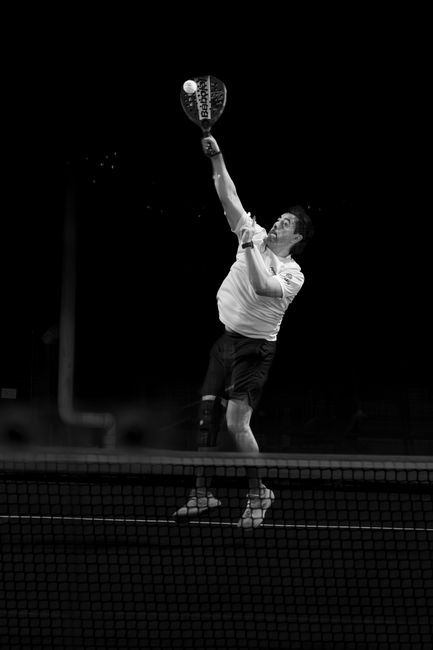
The remate is the shot everyone wants to hit and the one that wins highlight points, but in padel it is also the one most likely to cost you the net if you misjudge it. Knowing not just how to smash but when to smash is what separates players who finish points from players who gift them away.
What is the smash (remate) in padel?
The smash is a flat, powerful overhead struck from the net area to end a rally. In padel (an enclosed-court racket sport) the walls change what a smash can do: as well as hitting through your opponents, you can use pace and angle to bounce the ball up off the back glass and out of the court for a winner. Unlike the controlled bandeja or the spin-heavy vibora, the remate trades safety for outright power and is aimed at ending the point rather than maintaining position.
When should you smash?
Smash only when the ball is high and you have time to set up underneath it with balance. A comfortable, floating lob that you can take above your head with a full swing is the green light. The moment the ball drops below ideal height, is behind you, or has you stretching, the percentages flip: a forced smash from a poor position usually goes long, into the net, or sits up for an easy counter, and you lose the net while recovering. On those balls, choose a bandeja to reset or a vibora to keep attacking. Discipline here wins more matches than power.
What is the correct smash technique?
Use a continental grip and turn fully side-on, pointing your non-hitting shoulder and raised tracking arm at the ball. Position yourself so the ball will drop slightly in front of your hitting shoulder, not directly overhead. Load your weight onto the back foot, take the racket up and behind in a throwing motion, and then drive up and through the ball, transferring weight forward and snapping the wrist down through contact for pace. Make contact with the strings flat behind the ball for a power smash, finishing the swing across your body. Balance and timing matter more than swinging as hard as you can.
What are the main types of padel smash?
There are three you will hear about. The flat smash is raw power hit straight through the opponents, best when you have an easy, high ball. The por tres (a smash hit hard into the floor so it rebounds up off the side glass and back out over the fence) is the spectacular winner that takes the ball out of the court entirely. The por cuatro uses the back glass in a similar way. The flat smash is the one to learn first; the wall-exit smashes are advanced finishes that need pace and precise angle, and chasing them too early simply leaks errors.
How does the smash compare with the bandeja and vibora?
These three overheads form a scale from safe to aggressive. The bandeja is the controlled reset that always holds the net. The vibora adds spin and pace to pressure opponents while still keeping you forward. The smash sits at the aggressive end: maximum power aimed at ending the point, but with the most risk to your court position if it does not. Strong net players are not the ones who smash most; they are the ones who pick the right overhead for the ball in front of them. Our positioning guide explains why keeping the net is worth protecting.
What are the most common smashing mistakes?
The number one error is smashing the wrong ball: going for power from a low or awkward position and losing both the point and the net. Be selective. Second is swinging too hard and mistiming contact, which sprays the ball long or into the net; smooth acceleration with a firm wrist beats a wild lunge. Third is failing to turn side-on and set up under the ball, which leaves you reaching and robs you of power and control. Fix the shot selection first, then the timing, and your conversion rate climbs quickly. Newer players should lock in the basics with our beginner's guide.
How can you practise the smash?
Begin by shadow-swinging the throwing motion until the side-on setup and wrist snap feel natural. Then have a partner feed comfortable, high lobs and focus only on clean, balanced contact at a controlled pace, aiming through the middle of the court before you chase angles. Once your timing is reliable, gradually add power, and only then experiment with the wall-exit smashes by aiming hard into the floor near the side glass. Practising restraint is part of the drill: deliberately let some attackable-but-not-ideal balls go to a bandeja instead, so good shot selection becomes a habit. Pair it with the patterns in our doubles tactics guide.
Frequently asked questions
What is a remate in padel?
When should you smash instead of playing a bandeja?
What is a por tres smash?
Why do I keep hitting my smash out or into the net?
The Vibora Shot in Padel UK 2026
The Bandeja Shot in Padel UK 2026
Padel Court Positioning Fundamentals UK 2026