Playing Padel in Winter: UK Tips for Cold Months
Playing padel in winter in the UK takes a few adjustments: warmer balls, a proper warm-up, the right layers, and booking indoor courts early. Here is how.
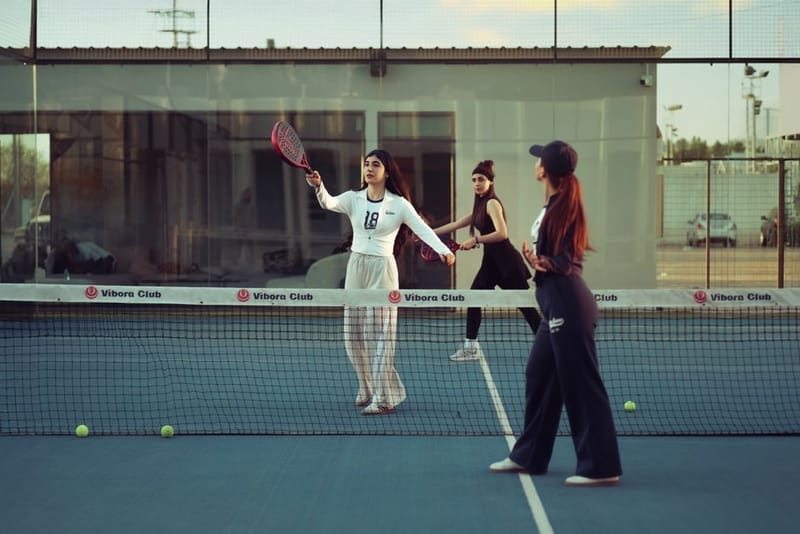
Playing padel in winter in the UK is entirely doable, and one of the sport's quiet advantages is that you can keep playing year-round where tennis often grinds to a halt. The cold changes how the ball behaves, how your body needs preparing, and how quickly indoor courts fill up. A handful of adjustments keeps your winter padel sharp, comfortable and injury-free through the darkest months.
How does cold weather change padel?
Padel balls are pressurised, and cold air lowers that internal pressure, so in winter the ball bounces lower and feels slower and heavier off the strings. Points get a little longer and flatter, and the back glass returns less zip. Outdoors, damp and cold also make the court surface and the ball skin slicker. None of this is a problem once you expect it: adjust your timing, be ready to bend lower for the bounce, and accept that winter padel is a more patient, grinding game than the quick exchanges of a warm summer evening.
Should you play indoors or outdoors in winter?
Both work, but they ask different things of you. Indoor courts give consistent conditions, no wind, and no rain delays, which is why they are in heavy demand from October onward; book well ahead, because winter is peak season for covered courts. Outdoor play is cheaper and more available, but you are at the mercy of the weather and a wet surface raises the slip risk. If you only play once a week through winter, an indoor court is worth the premium for reliability. Our guide to indoor versus outdoor padel compares the two in detail.
How should you warm up in the cold?
This is the part winter players skip and regret. Cold muscles strain easily, and padel's sharp changes of direction and overhead smashes load the calves, shoulders and back. Arrive a few minutes early and do a proper active warm-up before the first serve:
Raise your heart rate
Two to three minutes of brisk movement, jogging on the spot or fast feet, to get blood to the muscles.
Mobilise
Loosen ankles, hips, shoulders and wrists with controlled swings and circles.
Knock up gently
Start the warm-up rally slowly and build pace; do not launch into full smashes cold.
Layer down gradually
Keep a layer on until you are genuinely warm, then shed it rather than starting cold and stiff.
What should you wear for winter padel?
Dress in light, breathable layers you can remove as you heat up, rather than one heavy top that leaves you cold then sweaty. A long-sleeve base layer, a mid layer you can strip off after the warm-up, and gloves or a hat for outdoor courts before play all help. Keep your hands warm before stepping on, because cold fingers grip too hard and rob you of touch. A small towel is useful for keeping your grip dry in damp conditions, and a fresh overgrip helps in the cold and wet.
How do you keep grip and balls performing in winter?
Damp is the enemy of grip. Carry a towel, dry your hands and the handle between points, and consider a tacky overgrip designed for moisture. For balls, keep the tube warm and replace balls more often than in summer, because cold pressurised balls go flat faster and a dead ball makes the game feel like hard work. If you play a lot outdoors in winter, it is worth keeping a spare warm tube in your bag. Our best padel balls guide covers which balls hold up best.

Indoor vs Outdoor Padel: Which Is Better? (2026)
Best Padel Balls UK 2026
Padel Fitness Training UK 2026