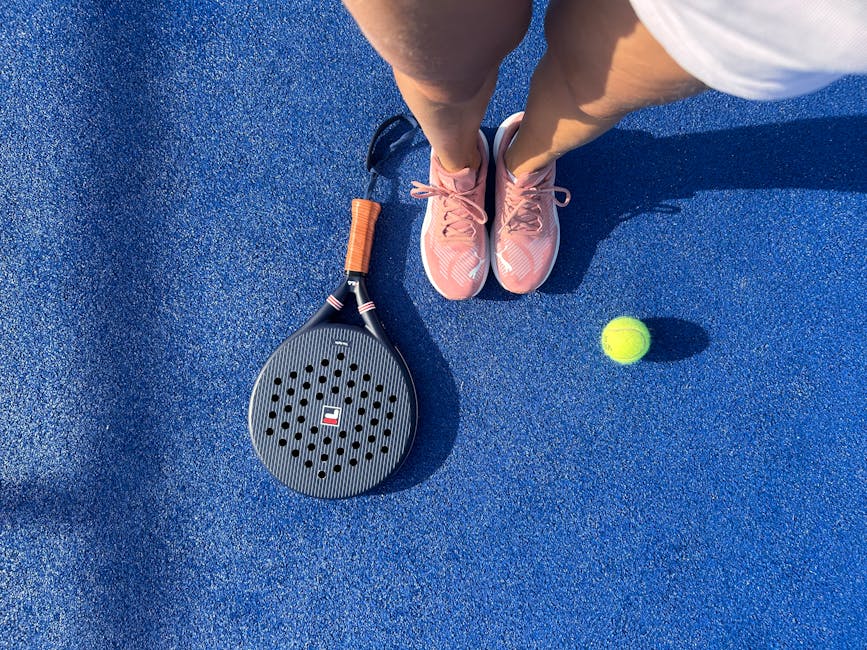
Best Padel Rackets for Intermediate Players UK 2026
Our top intermediate padel rackets for 2026: the best all-rounder, the best for control, the best value and the racket to grow into.
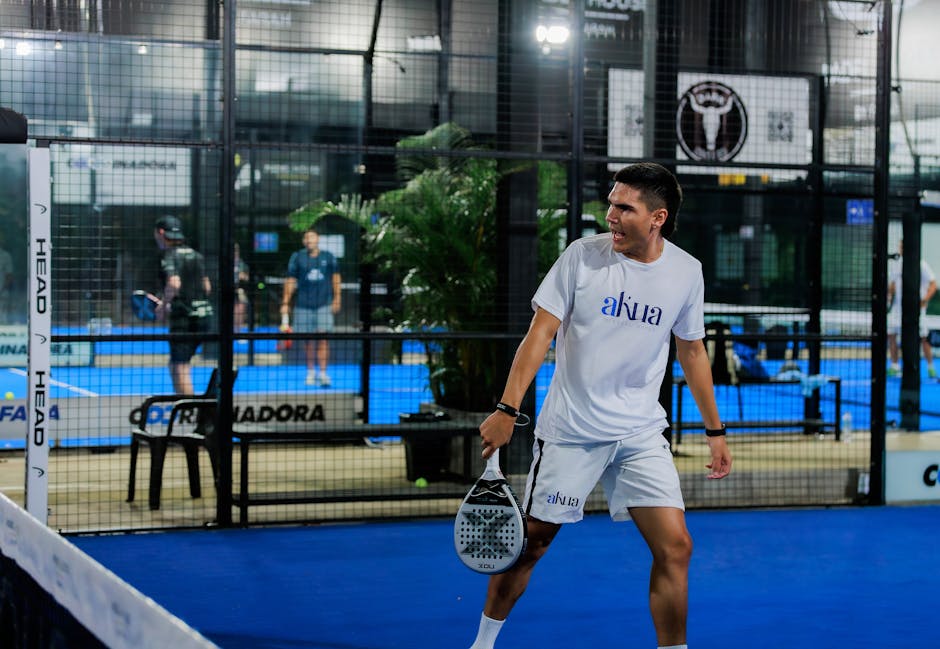
You have outgrown your first racket. You can rally with control, you are starting to volley with intent, and the forgiving beginner frame that served you well now feels like it is holding back your smash. The intermediate stage is where racket choice starts to matter, because the right frame can sharpen the parts of your game you are actively developing.
What makes a padel racket right for intermediate players?
Padel rackets come in three broad head shapes, and the shape decides where the sweet spot sits and how much the frame forgives an off-centre hit. A round racket (shape with the sweet spot in the centre of the face) is the most forgiving and control-friendly. A diamond racket (shape with the sweet spot high near the tip) hits hardest but punishes mistakes. A teardrop racket (a hybrid shape that places the sweet spot between the two) is the classic all-rounder. Padel rackets have no strings; the ball is struck off a perforated composite face, and frame standards are overseen by the International Padel Federation (see the sport's governing-body overview on Wikipedia).
For an intermediate, three things matter most. Balance (how far the weight sits toward the head, measured in millimetres or centimetres) drives the trade-off between manoeuvrability and power. A medium balance around 25 to 26 centimetres keeps the racket quick at the net while still rewarding a committed swing. Core softness decides feel: a soft EVA foam core is comfortable and forgiving, while a harder core transfers more energy but demands cleaner contact. And weight, usually 360 to 375 grams, should match your physique rather than your ambition. If you are unsure where you sit, our guide to choosing a padel racket walks through each variable, and the shape explainer goes deeper on head geometry.
Which intermediate padel rackets are best in 2026?
| Bullpadel Vertex 05 | Babolat Counter Veron | Head Delta Pro | Bullpadel Vertex 04 | |
|---|---|---|---|---|
| Shape | Hybrid (round/teardrop) | Round | Round | Softer diamond |
| Balance | Medium (~25 cm) | Low / centred | Neutral (255 mm) | Head-heavy (275 mm) |
| Core | MultiEVA | Soft multi-density EVA | Soft Hybrid Touch | Soft Black EVA |
| Best for | All-round game | Control + value | Touch players | Developing power |
BEST ALL-ROUNDER
Bullpadel Vertex 05 2026 Editor's pick
The hybrid that grows with your game
- All-round play
- Net and baseline
- Improving fast
- Shape Hybrid
- Balance ~25 cm
- Weight 365-375 g
- Price ~£270
The Vertex 05 is the racket we point most intermediates toward. Its hybrid round-teardrop head keeps the sweet spot central enough to forgive mishits, while the medium balance lets you put real weight behind a smash when the chance comes. The MultiEVA core feels lively without being harsh, so long sessions do not punish your elbow. It is the frame that asks the fewest compromises as your game develops. Read the full breakdown on our product page.
What we liked
- Genuinely versatile shape suits every part of the court
- Comfortable medium balance is easy to swing
- Adds finishing power without sacrificing control
Watch out for
- Not the cheapest option
- Pure control players may prefer a round head
If you only try one racket from this list, make it the Vertex 05.
BEST FOR CONTROL & VALUE
Babolat Counter Veron 2026
Round, soft and forgiving
- Control-first play
- Tighter budgets
- Comfort
- Shape Round
- Balance Low / centred
- Weight 365 g
- Price ~£210
At around £210 the Counter Veron is the most affordable frame here, and it earns its place on merit rather than price alone. The round head and low, centred balance make it supremely forgiving, so blocks, lobs and defensive volleys land where you aim them. The soft multi-density EVA core is gentle on the arm. If your game is built on placement and you want a racket that rarely lets you down, this is the value pick. See our Counter Veron review.
What we liked
- Most forgiving frame on the list
- Excellent value at around £210
- Soft core is comfortable for long sessions
Watch out for
- Less outright power than the others
- Low balance limits smash weight
Proof that a control racket does not need a premium price tag.
BEST FOR TOUCH PLAYERS
Head Delta Pro 2026
Round control with a soft heart
- Touch and placement
- Net play
- Arm comfort
- Shape Round
- Balance Neutral (255 mm)
- Weight 350-360 g
- Price ~£290
The Delta Pro is a control flagship that an ambitious intermediate can grow into. Its round head and neutral 255 millimetre balance keep it nimble at the net, and the soft Hybrid Touch core gives the kind of cushioned, connected feel that rewards delicate hands. It is pricier than the Counter Veron and leans toward advanced control players, but if your strength is touch rather than power, it flatters that game beautifully. Read our Delta Pro review.
What we liked
- Soft core delivers superb feel and comfort
- Neutral balance is quick and manoeuvrable
- Round head keeps the sweet spot generous
Watch out for
- Premium price for an intermediate budget
- Rewards clean contact more than raw power
A control purist's racket that improving players can settle into.
BEST FOR DEVELOPING POWER
Bullpadel Vertex 04 2026
A softer diamond to attack with
- Building an attack
- Stronger players
- Stepping up
- Shape Softer diamond
- Balance Head-heavy (275 mm)
- Weight 360-370 g
- Price ~£275
If your level is climbing and you want to start finishing points at the net, the Vertex 04 is the bridge. It is a diamond shape, so the sweet spot sits high and the racket hits hard, but Bullpadel built it softer and more forgiving than an out-and-out pro frame. That makes it the most attack-friendly racket here without throwing away all the margin for error. Treat it as the step you take once the Vertex 05 feels too tame. Read our Vertex 04 review.
What we liked
- Real power from the head-heavy diamond head
- Softer build forgives more than a pro frame
- A natural progression toward advanced rackets
Watch out for
- Head-heavy balance is more tiring to swing
- Less forgiving than the round options
The racket to choose when you are ready to take the net by force.
How do you choose between them?
Start with your strongest instinct on court. If you win points by placing the ball and frustrating opponents, the round frames, the Counter Veron and Delta Pro, will reward you. If you win points by stepping in and hitting through the ball, lean toward the Vertex 05 first and the Vertex 04 once you are confident. Most intermediates land on the Vertex 05 precisely because it refuses to force that choice early.
Budget matters too. The Counter Veron at around £210 is the clear value play, while the Delta Pro at £290 is the most you should need to spend at this level. Spending more does not buy you a better intermediate racket; it usually buys you a stiffer, less forgiving pro frame you are not ready for yet. For pure power-hunters, our power racket roundup covers the next tier; control specialists should see the control picks.
When should you upgrade from a beginner racket?
Upgrade when your beginner racket starts to feel like a ceiling rather than a safety net. The usual signs are clear: your smashes lack the power you can now generate, you want more feedback on touch shots, and you are no longer mishitting often enough to need maximum forgiveness. If you are not there yet, there is no shame in staying put. Our best beginner rackets guide covers the frames worth keeping a little longer, and stepping up too early often does more harm than good.
What mistakes should you avoid?
The most common intermediate mistake is buying the racket your favourite professional uses. Pro frames are stiff, head-heavy and unforgiving by design, built for players who make clean contact on almost every ball. Copying that choice usually slows your improvement and raises the risk of tennis elbow. Choose the racket that fits the game you actually have, not the one you watch on a Sunday final.
The second trap is chasing power before you can control it. Power is easy to add later, once your technique and footwork are reliable; control and comfort are what let you build those foundations now. A forgiving frame that keeps the ball in play wins more intermediate matches than a cannon you cannot aim. Finally, do not ignore weight and balance for the sake of a deal. A heavy, head-heavy racket bought on discount is a false economy if it tires your arm after twenty minutes. When in doubt, size down on balance and let your swing, not the frame, generate the pace.
Best Padel Racket for Beginners UK 2026
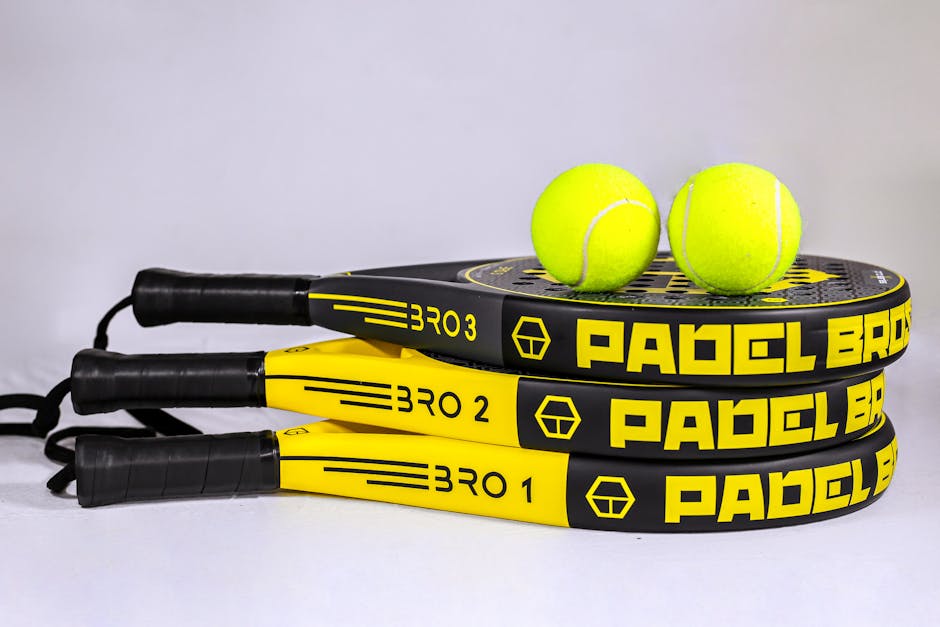
How to Choose a Padel Racket UK 2026
Best Padel Rackets for Power UK 2026