Carbon vs Fibreglass Padel Rackets Explained (UK 2026)
Carbon vs fibreglass padel rackets compared: how the face material changes power, control, forgiveness and durability - and which one you should buy.
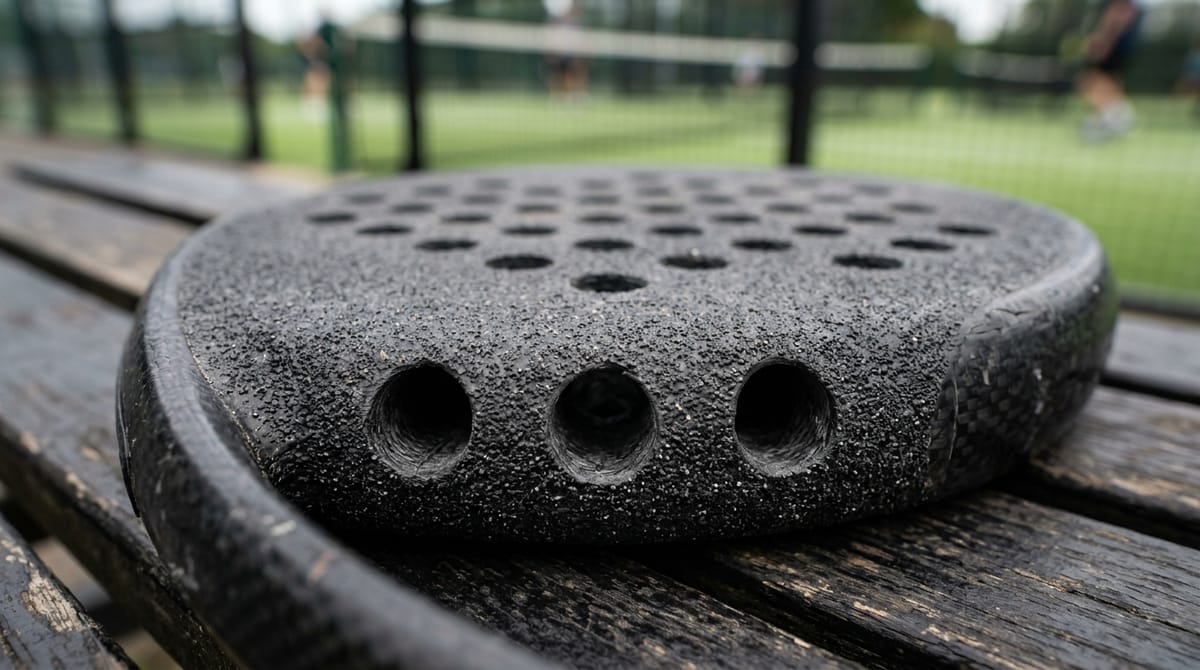
When you read a padel racket's spec, the face material - carbon or fibreglass - is one of the biggest clues to how it will play. It is not about one being better than the other; they suit different players. Here is what each material does, in plain terms, and how to pick the right one for your level and your arm.
What's the difference between carbon and fibreglass?
Both are fibres used for the hitting surface (and sometimes the frame) of a padel racket, but they behave differently. Carbon fibre is stiff, light and strong - it flexes very little, so it returns energy quickly and holds its shape. Fibreglass is more flexible and softer, so it bends more on impact and springs the ball back with less effort from you. That single property - stiffness versus flex - drives almost every difference in how the two feel to play.
Power and feel
The relationship is slightly counter-intuitive. Carbon delivers more power on fast, aggressive shots - smashes and finishes - because the stiff surface doesn't absorb the speed you put in. But on slower shots, like a controlled drive from the back of the court, a carbon face actually gives less free ball output, so you have to supply more of the power yourself.
Fibreglass works the other way: its flex creates a trampoline-like 'spring' that pushes the ball out with less effort, which feels powerful and easy at slower swing speeds. So carbon rewards players who already generate their own racket-head speed, while fibreglass helps players who don't.
Control and forgiveness
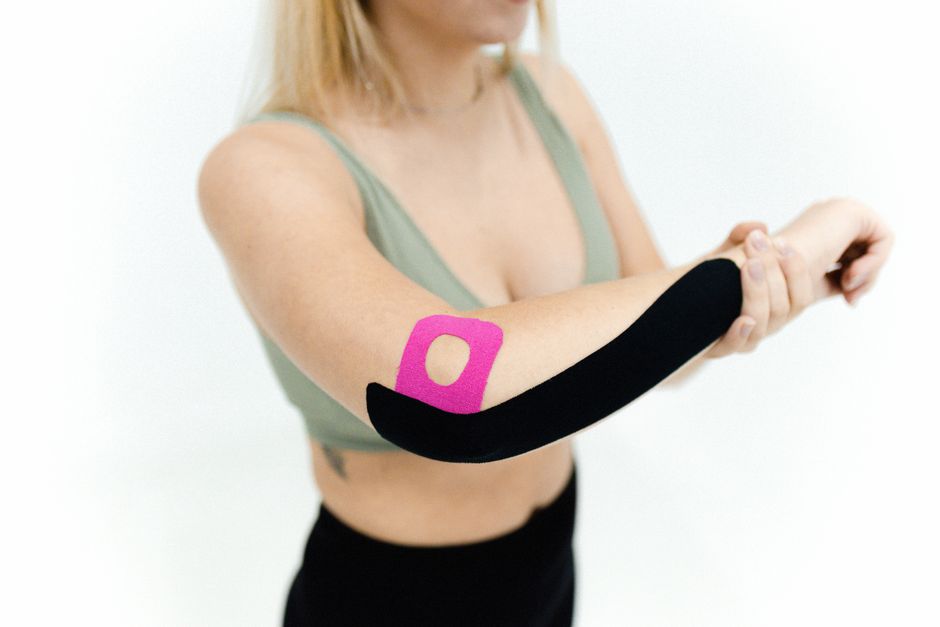
Carbon gives a more precise, connected feel on clean contact - good for advanced players who want exact placement. The trade-off is a smaller margin for error and more shock transmitted to the arm. Fibreglass is softer and more forgiving, with better vibration damping and a more comfortable feel, especially on off-centre hits. That comfort is also why fibreglass and hybrid rackets are the standard recommendation for anyone managing or wary of padel elbow - the flex absorbs impact that a stiff carbon face would send into your elbow.
Durability
Carbon is the more durable of the two. Because it flexes so little, it isn't repeatedly stressed back into shape the way fibreglass is, so it tends to hold its performance longer. Fibreglass is more impact-tolerant in the short term (it gives rather than cracks) but can gradually lose its springiness and feel with heavy use. For a racket you'll hit hard and often, carbon generally lasts longer; for occasional play, fibreglass durability is rarely a problem.
Which should you choose?
Match the material to your game:
- Beginner or improver - fibreglass, or a hybrid with a soft-to-medium core. More forgiveness, easier power, kinder to the arm, and usually cheaper. The right starting point for most players.
- Prone to elbow or arm pain - fibreglass or hybrid, for the vibration damping and flex.
- Advanced player who generates power - carbon, for the precision, durability and extra pop on finishing shots.
- Budget-conscious - fibreglass models are generally more affordable.
Material is only one factor - shape and balance matter just as much. Read it alongside our guides to choosing a padel racket and racket shapes to put the whole picture together.
Frequently asked questions
Is a carbon or fibreglass padel racket better for beginners?
Does carbon give more power than fibreglass?
Which is more durable, carbon or fibreglass?
Is carbon or fibreglass better for tennis elbow?
What is a hybrid padel racket?
How to Choose a Padel Racket
Diamond vs Round vs Teardrop
Best Padel Racket for Beginners