Padel Injury Prevention UK 2026
Padel injury prevention UK 2026: tennis elbow, ankle sprains, shoulder strain. Warm-up routine, equipment choices, common technique fixes for club players.
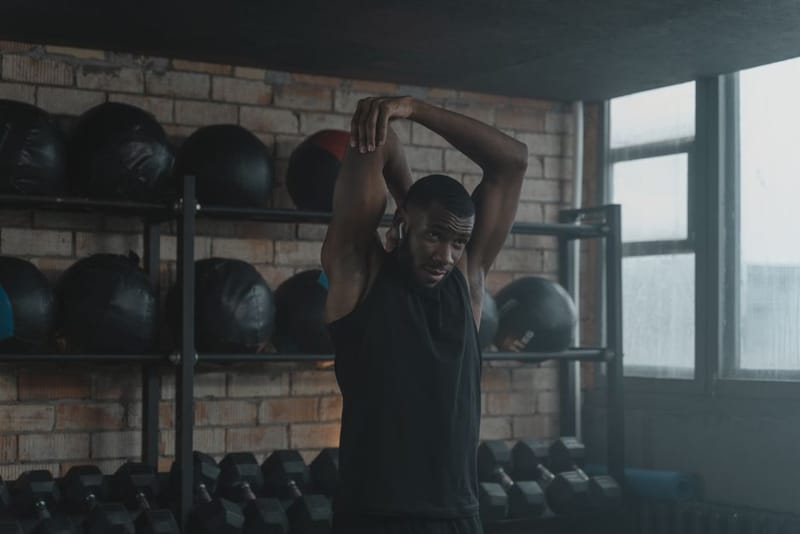
Padel is gentler on the body than singles tennis but harder than people often expect. The wall play extends rallies and increases cumulative load on the shoulders and elbows; the sudden direction changes stress ankles and knees. UK club players who add 4-6 hours of padel per week without ramping up gradually consistently develop one of the five injuries this guide covers. The good news: simple prevention measures cut the risk substantially.
What are the most common padel injuries?
Five injuries dominate UK club padel medical reports in 2026:
- Tennis elbow (lateral epicondylitis): pain on the outer elbow, worse when gripping or extending the wrist. The most common padel injury overall. Caused by repetitive wrist extension during backhands and slices, particularly with grips that are too small for the player's hand or too heavy paddles.
- Ankle sprains: sudden lateral movement on a worn court surface or in poor-grip shoes. Acute injuries, usually one-incident events rather than gradual onset.
- Rotator cuff strain (shoulder): shoulder pain on overhead shots, particularly the bandeja and smash. Develops gradually over weeks of high play volume without strength conditioning.
- Lower back strain: from the rotational forces of overhead shots combined with the squat position for low volleys. Often the first injury of older players returning to sport.
- Patellar tendonitis (jumper's knee): pain just below the kneecap from jumping for overheads and lateral squat movement. More common in players coming from running backgrounds.
How do you prevent tennis elbow in padel?
Tennis elbow is the most common and most preventable padel injury. Five practical interventions:
- Get the grip size right. Most UK adults need an L2 or L3 padel grip. A grip that's too small forces extra wrist work on backhands and accelerates elbow loading. See our padel grip and handle wrap guide for the index-finger sizing test.
- Don't go too heavy on paddle weight. Anything over 380g for adult players adds elbow load. Tournament 4.0+ paddles run 370-385g; recreational players should stay 360-375g until forearm strength is established.
- Strengthen the forearm. Wrist curls (3 sets × 15) and reverse wrist curls 2-3 times per week build the muscle group that absorbs racket impact. Most padel players skip this entirely.
- Use proper backhand technique. Two-handed backhand (or a continental-grip one-hander) reduces wrist load compared to an eastern-forehand-grip one-hander. Most tennis-elbow padel cases come from players using a tennis-style one-hander.
- Take a week off when it starts. Mild elbow soreness recovers in 5-7 days off; ignoring it produces 8-12 week injuries. Don't play through the early warning signs.
How do you prevent ankle sprains and knee issues?
Lower-limb padel injuries are largely about shoes and surface awareness:
- Wear padel-specific shoes. The herringbone tread pattern is designed for the sudden lateral movements padel demands. Tennis shoes are similar (and acceptable); running shoes are dangerous - too much grip for the small movements, then sudden release. Asics Gel-Padel, Adidas Avacourt 2 Padel, and Bullpadel Beach 2026 are the standard UK choices.
- Check the court surface. UK indoor courts vary in tread quality. Worn surfaces with smooth patches near the kitchen line are the most common ankle-injury sites. Look at the court for 30 seconds before warming up.
- Warm up properly (see next section). Cold ankles and knees are 3-4× more sprain-prone than warm ones.
- Strengthen the calves and proprioception. Single-leg balance work (30 seconds per leg, 3 sets, 3× per week) measurably reduces ankle sprain rates. Standing on one leg while brushing teeth is enough to get started.
- Knee braces and ankle taping for known issues. If you've had a prior ankle sprain, tape or a support brace for the first 3 months of play after recovery cuts re-injury rates significantly.
What's the 5-minute pre-match warm-up?
The standard UK club warm-up most players skip - and which prevents more injuries per minute spent than anything else on this list. Five minutes:
- Minute 1 - Light cardio. Jog two laps around the court, or 30 seconds skipping. Goal: raise heart rate, get blood into the muscles.
- Minute 2 - Lower body dynamic stretches. Leg swings forwards (10 each side), leg swings sideways (10 each), bodyweight squats (10), walking lunges (10 total).
- Minute 3 - Upper body dynamic. Shoulder circles (10 forward, 10 back), arm crosses (10), wrist rotations (10 each direction), elbow extensions (10).
- Minute 4 - Sport-specific movements. Side shuffles at the kitchen line (3 sets across), forward-and-back to the back wall (3 reps), shadow swings of forehand and backhand (10 each).
- Minute 5 - Light hitting. Start the rally feed from the baseline, no power, focus on contact - not pace. Gradually build over the first game.
The whole warm-up takes 5 minutes. UK club coaches consistently report that the players who warm up properly are also the ones who haven't been off injured in years.
How do you avoid shoulder and back injuries?
Shoulder and back injuries are technique + conditioning issues. Four interventions:
- Don't jump for every overhead. Jumping smashes look spectacular but produce inconsistent contact and torque the shoulder + lower back. Use a bandeja for lobs you'd otherwise have to jump for - covered in our bandeja technique guide.
- Rotate from the hips, not the shoulders. Most overhead-shot back strain comes from over-rotating the shoulders without engaging the core or hips. A simple cue: turn your belly button to face the side wall before the smash, not just your shoulders.
- Strengthen the rotator cuff. External rotation with a light resistance band, 3 sets × 12, twice a week. Takes 2-3 minutes and meaningfully reduces shoulder injury rates over the season.
- Plank and core work. 30-second plank, 3 sets, 3× per week. The core stabilises the lower back during overhead shots; without it, the back compensates.
When should you see a physio?
Five signs to stop playing and see a physiotherapist:
- Pain at rest (not just during play).
- Swelling or bruising at a joint.
- Reduced range of motion compared to the other side.
- Pain that gets worse over two weeks of reduced play.
- Sudden severe pain during a match (especially a popping sensation in the back of the leg - Achilles tendon ruptures need urgent care).
UK physiotherapy access via the NHS is slow for sports injuries (often 6-8 weeks for an outpatient referral). Private physio (£50-£80 per session) typically resolves padel injuries faster - 2-3 sessions for most cases. Many UK padel clubs partner with local physios who understand the sport's specific mechanics.
Frequently asked questions
How long does padel tennis elbow take to recover?
Can I play padel with a tennis elbow brace?
Are tennis shoes okay for padel?
Do I need to do strength training as a recreational padel player?
What's the most common UK padel injury for over-50 players?
Can I play padel with osteoarthritis in my knees?
The bottom line
For UK padel players, the practical injury-prevention checklist is short: warm up properly (5 minutes pre-match), use the right grip size and paddle weight, wear padel or tennis shoes (not running shoes), strengthen forearm + rotator cuff + core twice a week, and don't play through early warning signs. Following these substantially reduces injury rates across the five common padel injuries.
The most-skipped step is the 5-minute warm-up. The players who do it consistently are the same players who haven't been off injured in years. Make it non-negotiable from now on.
For UK padel-specific guidance, see our grip and handle wrap guide for the sizing details that prevent tennis elbow, and our bandeja technique guide for the alternative to jumping smashes. The NHS sports injury overview covers the general medical context for tennis elbow and similar repetitive-strain conditions.