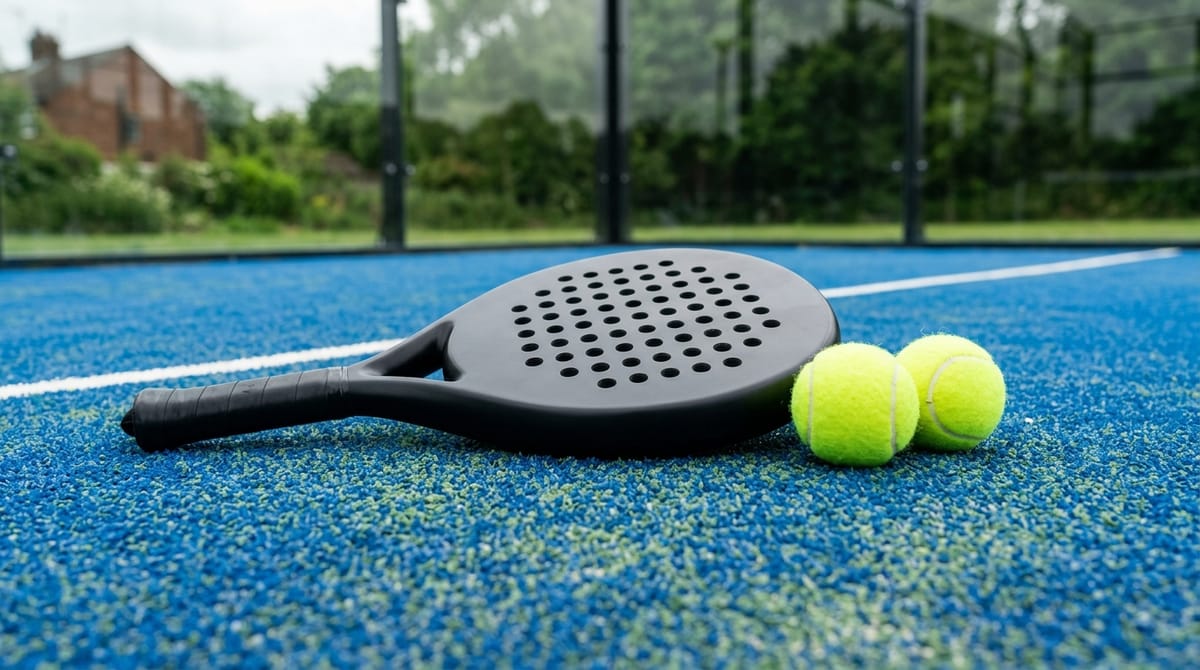
Padel Lob Shot Technique UK 2026: A Complete Guide
Padel lob shot technique guide UK 2026 - defensive and offensive lobs, when to use, common mistakes, drills. Master the most under-rated padel shot.
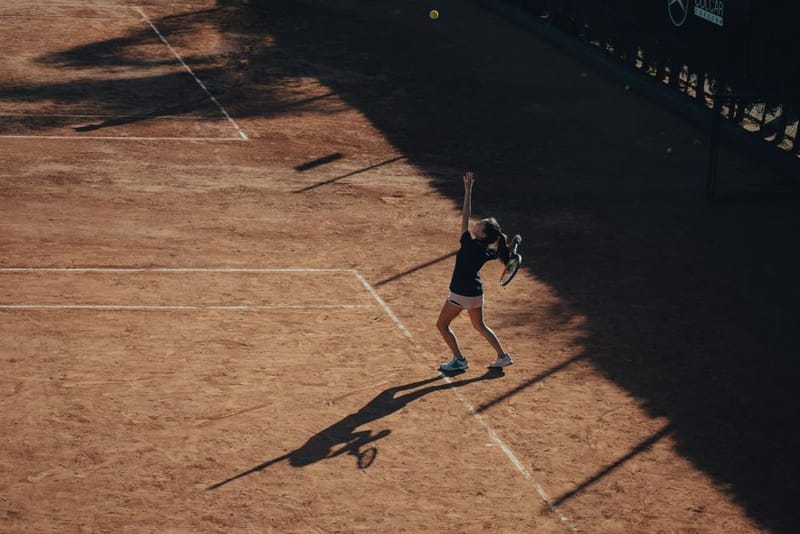
If you've watched the World Padel Tour and noticed that pros seem to lob almost every other rally, there's a reason: the lob is the single most effective shot for shifting control of the court. At UK club level (3.0-3.5) it's also dramatically under-used - most club players treat the lob as a last-resort defensive shot rather than an offensive weapon. Learning to use it deliberately raises your game more than almost any other technical improvement. Background on the sport's competitive rules is at the Wikipedia padel page.
This guide covers the two main lob types (defensive and offensive), the technique fundamentals, the most common UK club-level mistakes, and three drills to make it stick.
Defensive lob vs offensive lob - what's the difference?
Defensive lob
Reset shot from the baseline
Offensive lob
Surprise shot from the kitchen line
How do you execute a defensive lob?
Recognise the cue to lob
If you're pushed past the service line into the back third, and your opponents are well-positioned at the kitchen, that's the lob cue. Trying to drive your way out is usually losing tennis - the lob is the percentage shot here.
Set up early with a closed paddle face
Get the paddle behind the ball with the face slightly closed (angled forward 10-15 degrees). Knees bent, weight on the back foot.
Brush up and through the ball, not at it
The defensive lob is a lifting motion, not a power shot. Brush the strings up the back of the ball with about 60% of your normal swing speed. The ball should come off with topspin, which makes the back-glass rebound nastier for the opponent.
Follow through high - 'paddle pointing at the ceiling'
The finish position determines the trajectory. A complete follow-through points the paddle face up and forward; a cut-off finish drops the ball short, which is the most common UK club mistake.
Recover to the centre line
While the ball is in the air, jog to the centre service line. Don't wait to see what happens - the rally is going to come back at you and your position determines whether you survive it.
How do you execute an offensive lob?
Read the opponent's positioning
Offensive lob windows open when opponents crowd the kitchen too aggressively, or when one opponent is moving cross-court to cover and leaves space behind them.
Shape the swing like a disguised volley
Start the swing as if you're going to dink or block, then at the last moment open the paddle face and brush up. Disguise matters - if opponents read 'lob' early they'll just step back and counter-attack.
Aim higher than feels natural
Most missed offensive lobs are too low - they let the opponent reach up and smash. The right offensive-lob height is the upper third of the back-glass panel - higher than club players instinctively hit.
Direct it cross-court when possible
Cross-court lobs travel longer = more time for you to advance to the net. Down-the-line lobs are shorter and easier for the opponent to recover. Cross-court is the percentage choice.
Move to the net immediately after the lob
Offensive lobs are setup shots for the next point. Stand at the net and pressure the rebound or the recovery shot. If you stay back you waste the advantage.
What are the most common UK club mistakes?
The patterns coach reports flag most often at UK club nights and tournaments:
- Lobbing too short: The ball lands mid-court and the opponent smashes it. Caused by an incomplete follow-through. Fix: paddle finishes pointing at the ceiling.
- Lobbing too flat: No topspin = predictable bounce off the back glass. Fix: brush UP the ball, not THROUGH it.
- Lobbing always defensively: Telegraphs the shot - opponents anticipate it. Fix: practice the offensive lob in non-pressure rallies to develop the disguise.
- Not recovering position: Hitting the lob and standing still. Fix: jog to the centre line during the ball's flight time.
- Lobbing into the wind (outdoor courts): Wind kills lob height. Fix: drive more, lob less in windy conditions; use the wind to your favour by lobbing with it on the next side change.
- Using too much wrist: A wristy lob is hard to control. Fix: lock the wrist, lift with the shoulder and arm.
Three drills to lock in the lob
1. The 30-ball defensive-lob drill
2. Disguise-lob from the kitchen drill
3. Lob-and-advance footwork drill
When should you NOT lob?
The lob is excellent but it's not the right shot for every rally. Avoid it when:
- The opponent's smash is dangerous: If they're a known smasher and your lob is even slightly short, you're giving them the point. Drive or dink instead.
- Outdoors in strong wind: Wind kills lob accuracy. Anything over 15 mph and the lob becomes a coin-flip shot.
- You're already winning the kitchen exchange: If you're pressuring at the net successfully, lobbing gives back the position you've earned.
- The ball is at your shoulders or above: High balls are smashes, not lobs. Use the smash if you're at the net; drive deep if you're mid-court.
Frequently asked questions
What percentage of rallies should I lob in club-level play?
Should I use topspin or backspin on the lob?
Does the lob work differently outdoors vs indoors?
How do you defend against a good lob?
Can you smash a lob in padel?
What's the best paddle for lobbing?
The bottom line
The lob is the most under-used shot in UK club-level padel - using it more deliberately is one of the fastest ways to improve your game. Defensive lobs reset rallies you'd otherwise lose; offensive lobs push opponents back and open the court. The technique is straightforward (closed paddle face, brush up, finish high, recover to centre); the harder part is recognising when to lob, and disguising the offensive version well enough that opponents can't anticipate it.
Spend 15 minutes per session on the three drills above for a month and you'll feel the difference in match play. The lob compounds with the rest of your game - it makes your drives more dangerous because opponents have to hedge, and it makes you harder to read at the kitchen line. It's the cheapest available upgrade to a UK club player's game.
Padel Rules Explained 2026: A Complete UK Guide
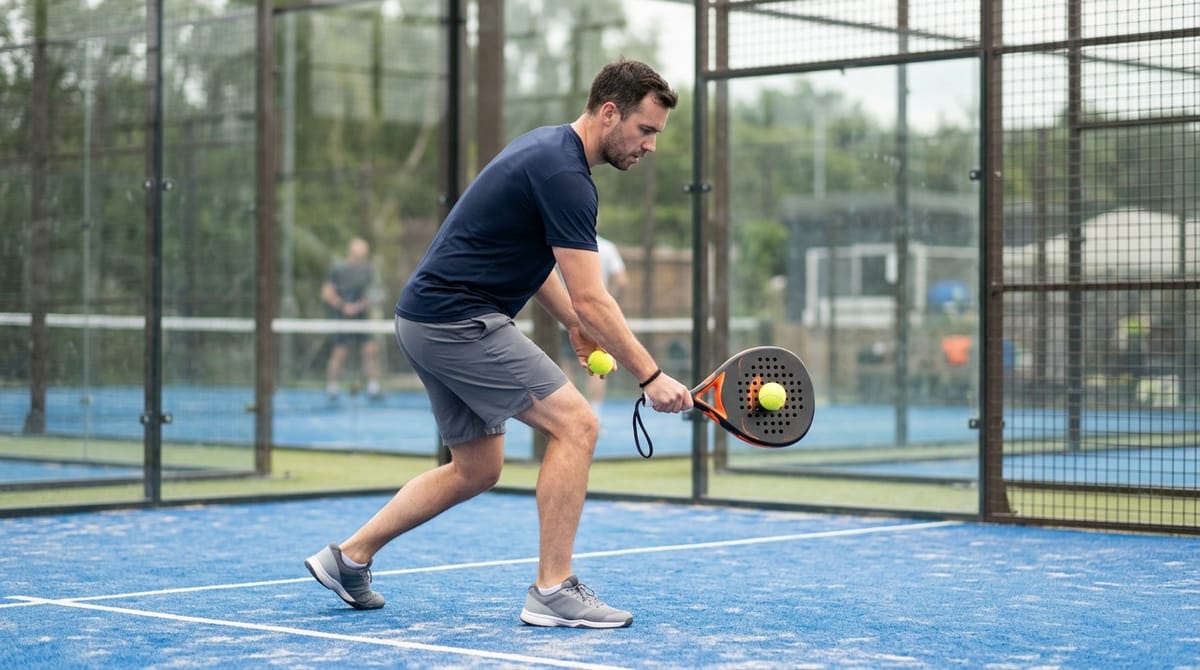
How to Serve in Padel: The Complete Underarm Guide
Padel for Beginners UK 2026: The Complete Guide