Diamond Head Shape Padel Rackets: The Power Guide
Diamond padel rackets put maximum power in the tip. What the shape does, who it suits, what it demands of your technique, and our standout UK picks.
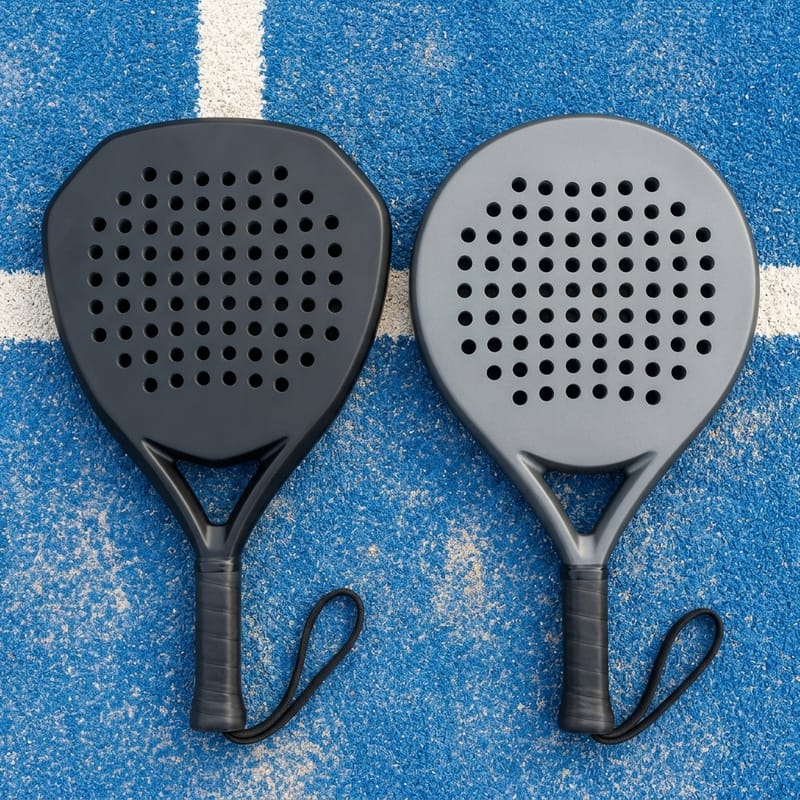
Head shape is the first thing that decides how a padel racket plays, and diamond is the shape that goes all-in on attack. Pushing the widest part of the head - and with it the weight - up towards the tip turns the racket into a lever: the same swing produces noticeably more pace on smashes and finishing volleys. The catch is that the sweet spot shrinks and rises with it, so mistimed shots are punished harder than with any other shape. Diamond rewards players who rarely mistime.
What is a diamond head shape padel racket?
Padel rackets come in three head shapes: round, teardrop and diamond. The shape controls where the sweet spot sits and how the frame's weight is distributed. On a diamond the widest point of the head is high, near the tip, which drags the balance point up and concentrates the hitting power at the top of the face.
That high balance is what generates the shape's signature free power: with more mass moving through the ball at the contact point, smashes, bandejas and viboras come off faster without a harder swing. The same geometry is also the shape's weakness - the effective sweet spot is the smallest of the three shapes, and contact even slightly below centre loses far more energy than it would on a round or teardrop frame.
Who should use a diamond padel racket?
Advanced attacking players
If you finish points at the net and your overhead is a genuine weapon, a diamond converts that intent into extra pace.
Players with clean, consistent technique
The small, high sweet spot only pays off when you find the middle of the face on most swings.
Smash-first competitors
Regular tournament players who need the ball to stay down off the smash get the most from the head-heavy balance.
Physically strong, injury-free players
A head-heavy frame works the shoulder and elbow harder, so it suits players without existing arm trouble.
Be honest about your level before choosing one. A diamond in developing hands usually produces more unforced errors, not more winners - the missing forgiveness costs more points than the extra power wins. If you are still building consistency, a teardrop gives you most of the attacking benefit with far less punishment, and a round frame remains the control benchmark.
Diamond vs teardrop vs round: how do the shapes differ?
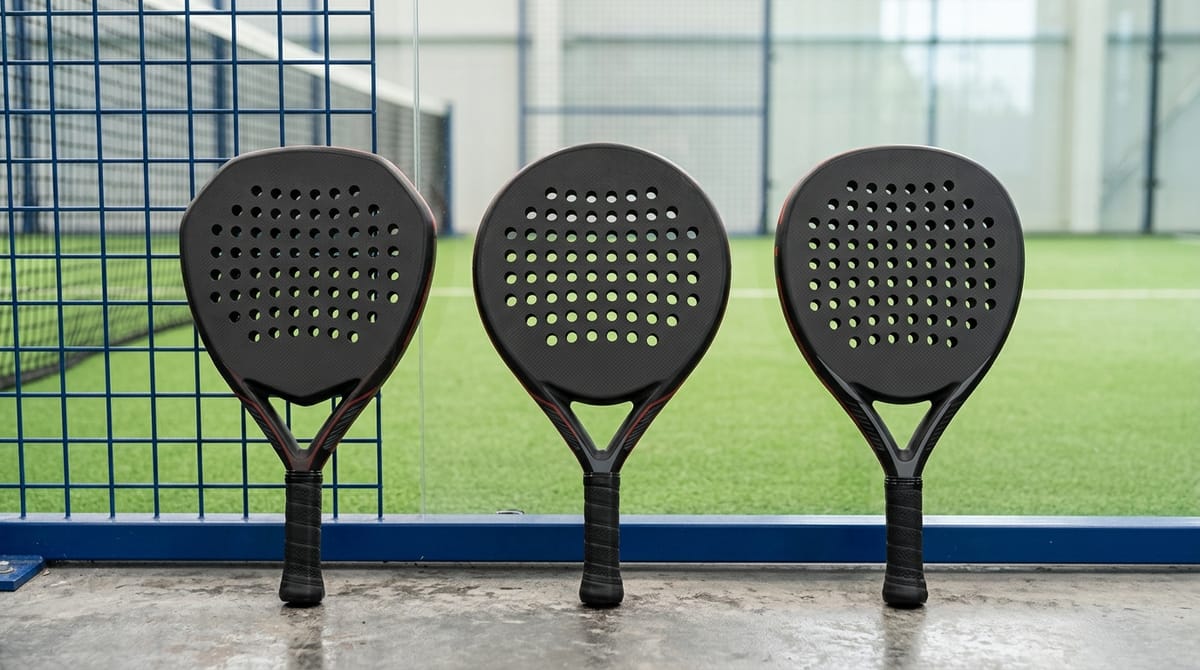
The three shapes sit on a spectrum from control to power. Round is the control end, diamond is the power end, and teardrop holds the middle ground. Our full diamond vs round vs teardrop comparison covers the whole spectrum in depth. Here is the short version.
Head shape at a glance
- Round
- Sweet spot low/centred - most control, largest sweet spot, most forgiving, least power. Best for beginners and control players.
- Teardrop
- Sweet spot mid-face - balanced power and control, most versatile. Best for improving intermediates who want a bit of everything.
- Diamond
- Sweet spot high near the tip - most power, smallest sweet spot, least forgiving. Best for advanced, aggressive players with clean technique.
What are the pros and cons of a diamond racket?
What we liked
- The most smash and finishing power of any head shape
- Head-heavy balance keeps the ball down on aggressive overheads
- Stable through hard contact - the extra tip mass resists twisting on full swings
- The widest choice at the premium end - most flagship frames are diamond
- Scales with ability: better technique keeps unlocking more from the frame
Watch out for
- Smallest, highest sweet spot - mistimed shots lose the most energy
- Slower to manoeuvre in fast net exchanges and off the back glass
- Works the elbow and shoulder harder than round or teardrop frames
- Unforgiving for beginners and most improvers - errors usually outweigh winners
How does a diamond racket change the way you play?
A diamond changes your attacking maths first. Overheads that a round frame would keep in play become point-enders: the head-heavy balance adds pace and helps the ball stay low after the bounce, which is exactly what you want when finishing by the glass or at your opponents' feet. Flat finishing volleys carry more weight too, so committed net play gets more reward.
Everywhere else the racket asks for discipline. Preparation has to be earlier because the tip-heavy frame is slower to reposition, and defensive digs off the back glass demand a cleaner strike than a forgiving round frame would. Players who thrive with a diamond usually build their game around taking the net early and ending rallies quickly - the shape is a commitment to that plan, not a general-purpose tool.
How do you choose a good diamond padel racket?
Once you have decided on a diamond shape, four things separate a good one from an arm-wrecker:
- Weight. Aim for roughly 360-375g. The head-heavy balance already adds effective mass at the tip, so going heavier still is rarely worth the fatigue.
- Balance. Diamond frames vary from moderately to extremely head-heavy. A slightly lower balance keeps some manoeuvrability; an extreme one maximises the smash and punishes everything else.
- Core. A harder EVA core sharpens the power payoff; a softer core buys back some comfort and forgiveness. Our guide to padel racket cores explains the trade-off.
- Face material. Most diamonds run stiff carbon faces - 12K or 18K weaves - for maximum response. See carbon vs fibreglass for what the layup actually changes.
Weigh the whole package with our how to choose a padel racket guide, and if raw pace is the goal, the best power padel rackets roundup ranks the strongest options we have covered.
What is our standout diamond padel racket in the UK?
The diamond shelf is where every brand parks its flagship, so competition is fierce - but the Nox AT10 Genius stands out in our current lineup. It is the highest-rated racket we have reviewed, and its 2026 update makes the diamond concept unusually liveable: the balance came down slightly from the previous generation and an interchangeable counterweight system lets you tune how head-heavy it feels. Read the full Nox AT10 Genius 2026 review, or see how it fares against rivals in Nox vs Adidas and Nox vs Bullpadel.
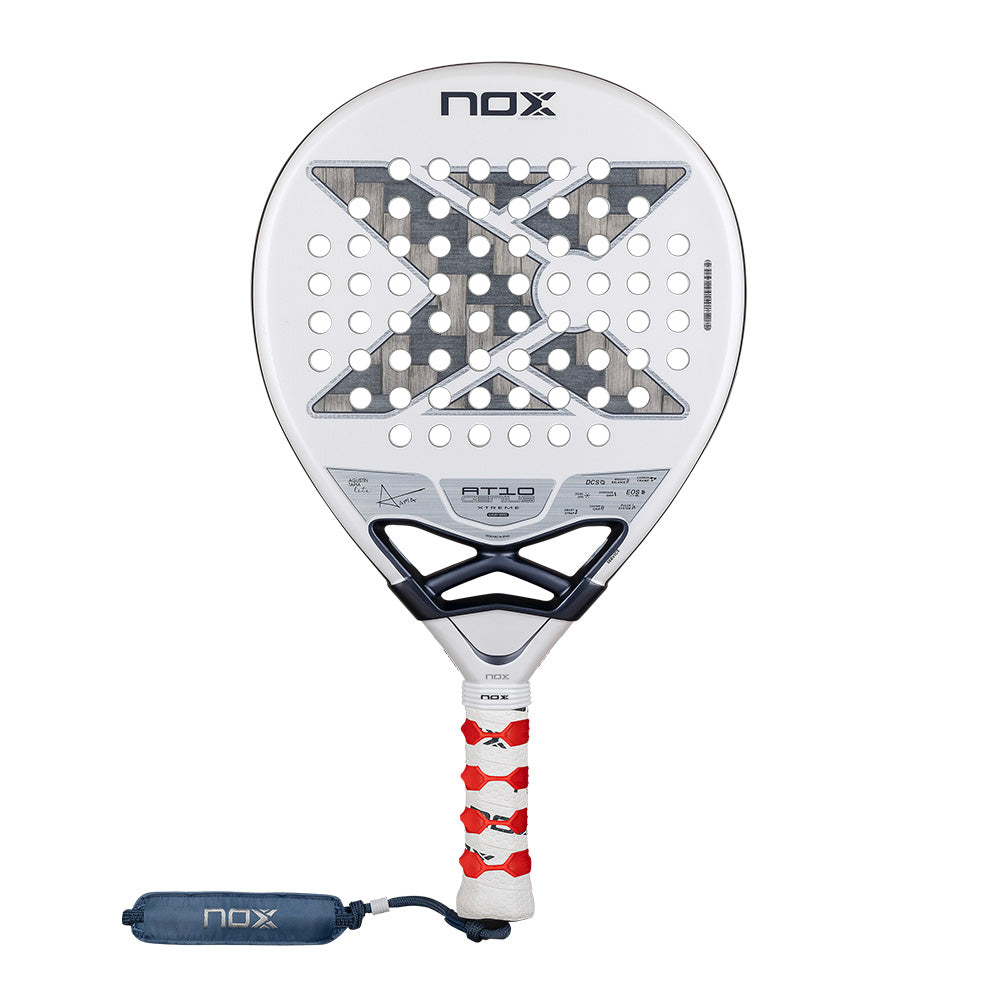
Nox AT10 Genius 2026
Agustin Tapia's signature 2026 diamond racket. 12K carbon, 360-370g, 25.4cm balance, Weight Balance counterweight, Dual Spin rough surface.
Check priceTwo alternatives from our reviews bracket it on price. The Bullpadel Hack 04 undercuts it while keeping a true diamond character, and the Adidas Metalbone 2026 is the tunable premium option with its own adjustable-weight system. On a tighter budget, the Head Delta Pro is the accessible way into an oversized diamond.
Do professional players use diamond rackets?
Yes - diamond is the dominant shape at the top of the professional game. Touring professionals have the technique to find a small, high sweet spot consistently, and at that level the extra finishing power is worth more than forgiveness they do not need. Most brands build their pro-endorsed flagship frames in diamond form for exactly this reason.
That dominance is also the most common buying mistake in padel: copying a professional's racket without a professional's timing. If your smash already lands where you aim it, a diamond will make it heavier. If it does not, the same frame will mostly amplify your errors - match the shape to your game, not to the tour.
Frequently asked questions
Are diamond padel rackets good for beginners?
Do diamond rackets really have more power?
Is a diamond or teardrop racket better?
Are diamond rackets bad for your elbow?
What weight should a diamond padel racket be?
Sources
Diamond vs Round vs Teardrop Padel Rackets